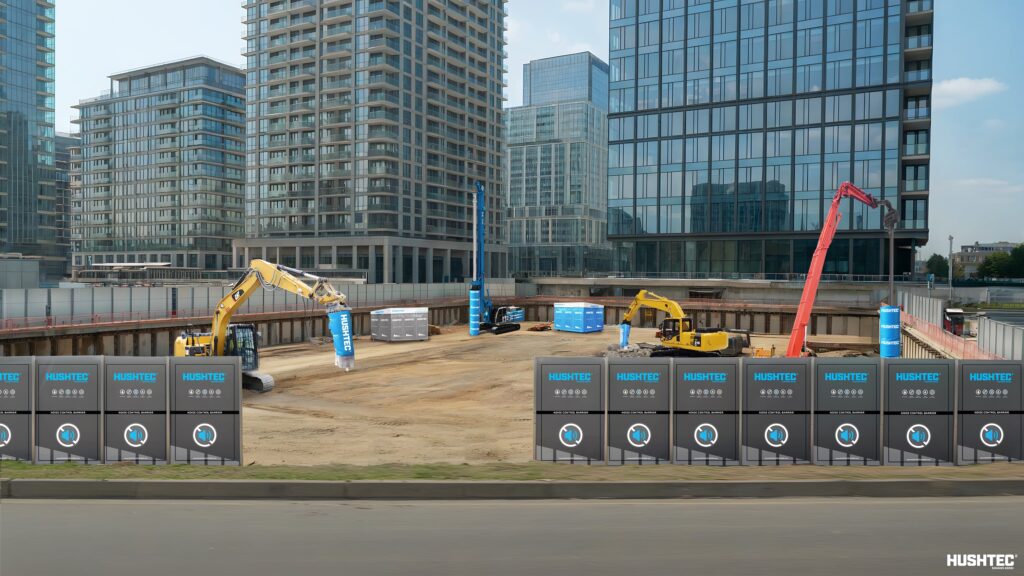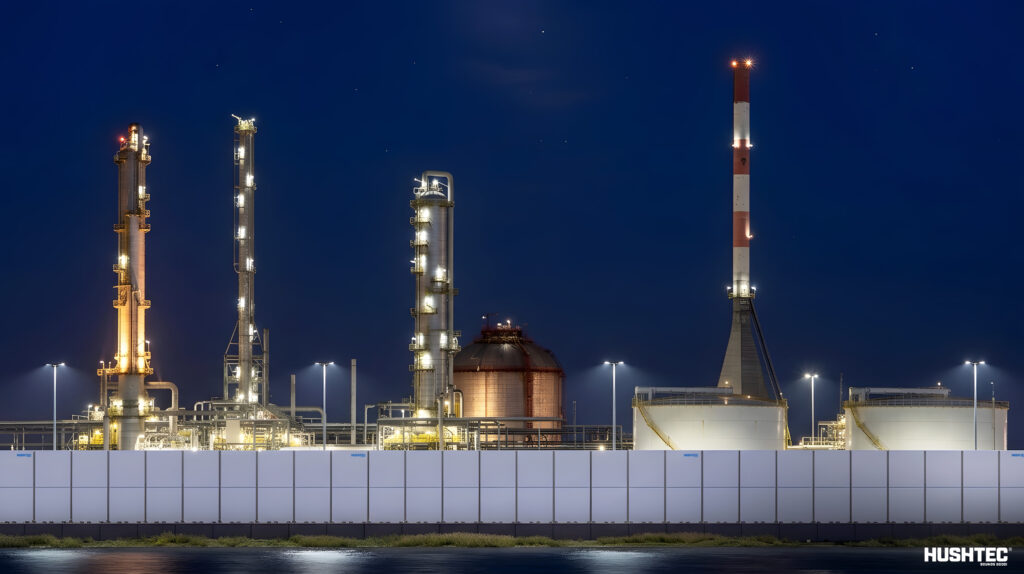



Europe’s commitment to modal shift — away from road and air towards electrified rail — is producing the most intensive period of rail infrastructure construction on the continent since post-war reconstruction. Grand Paris Express is adding over 200 km of new automatic metro lines. Germany’s Deutschlandtakt timetable reform is driving a nationwide programme of DB Netz track upgrades. High-speed rail is being extended across the Iberian Peninsula, the Nordic countries, and Central Europe.
Each of these projects operates under the Environmental Noise Directive 2002/49/EC (END Directive) — the European Union’s cornerstone legislation for managing noise exposure from transport infrastructure. The Directive requires member states to prepare strategic noise maps and action plans for rail corridors, and to set limits on noise exposure that construction activity must not worsen.
Regulatory Framework — European Union
- END Directive 2002/49/EC: Establishes noise indicators (Lden, Lnight) and requires strategic noise action plans for major rail routes. Construction works near existing rail corridors must not increase ambient noise exposure beyond agreed thresholds.
- ISO 10847: European standard for in-situ determination of insertion loss of outdoor noise barriers — the test methodology used to verify barrier performance in the field.
- ISO 717-1: Defines the STC/Rw single-number rating for sound reduction — the metric used in Hushtec’s product certification data.
- National transpositions: France (Code de l’environnement, NFS 31-133), Germany (TA Lärm, DIN 4109), Netherlands (Wet Milieubeheer), Belgium (VLAREM II) each apply the END Directive through national legislation with site-specific consent conditions.
Why Transparency Is a Design Requirement on European Transit Projects
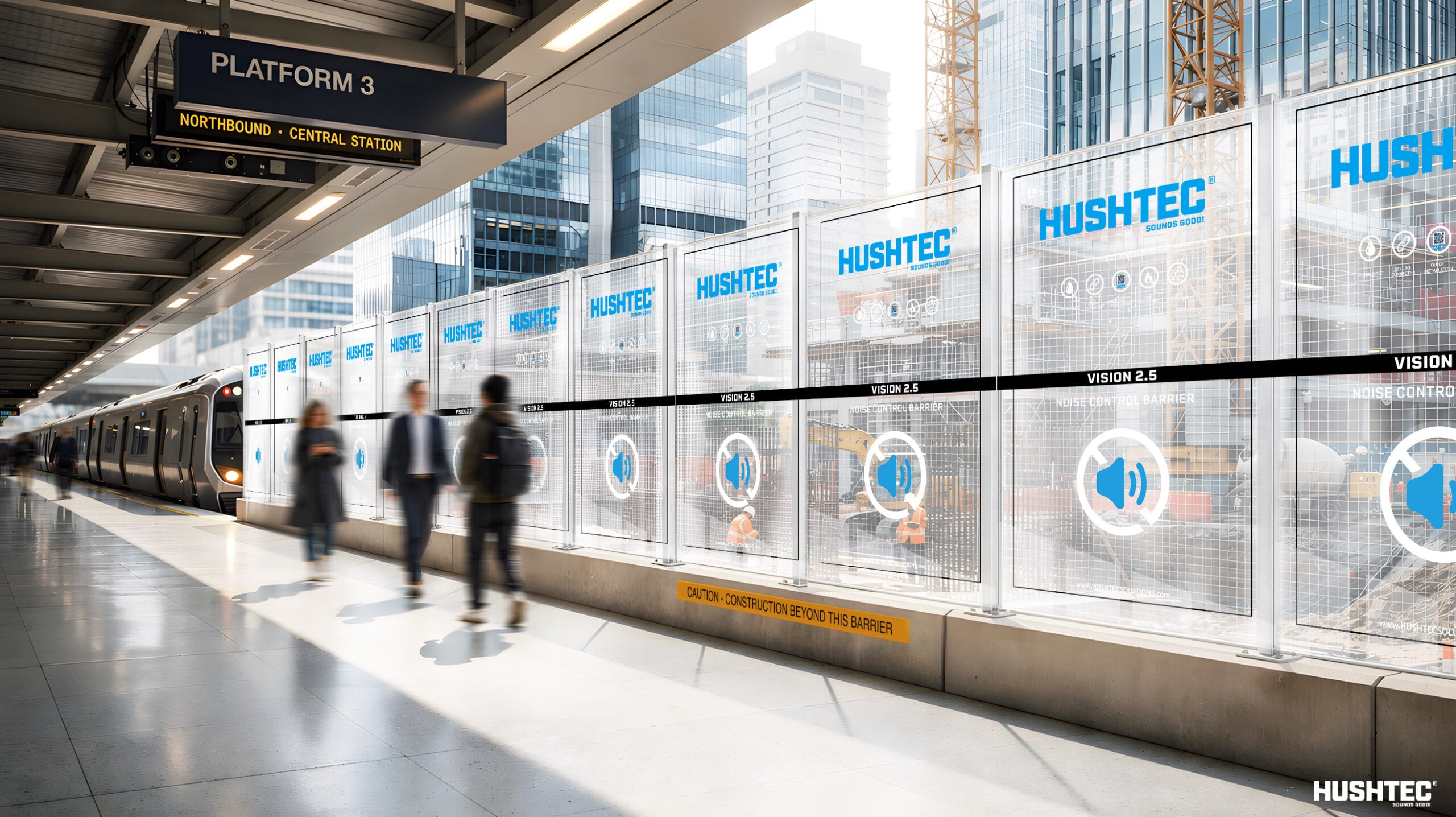
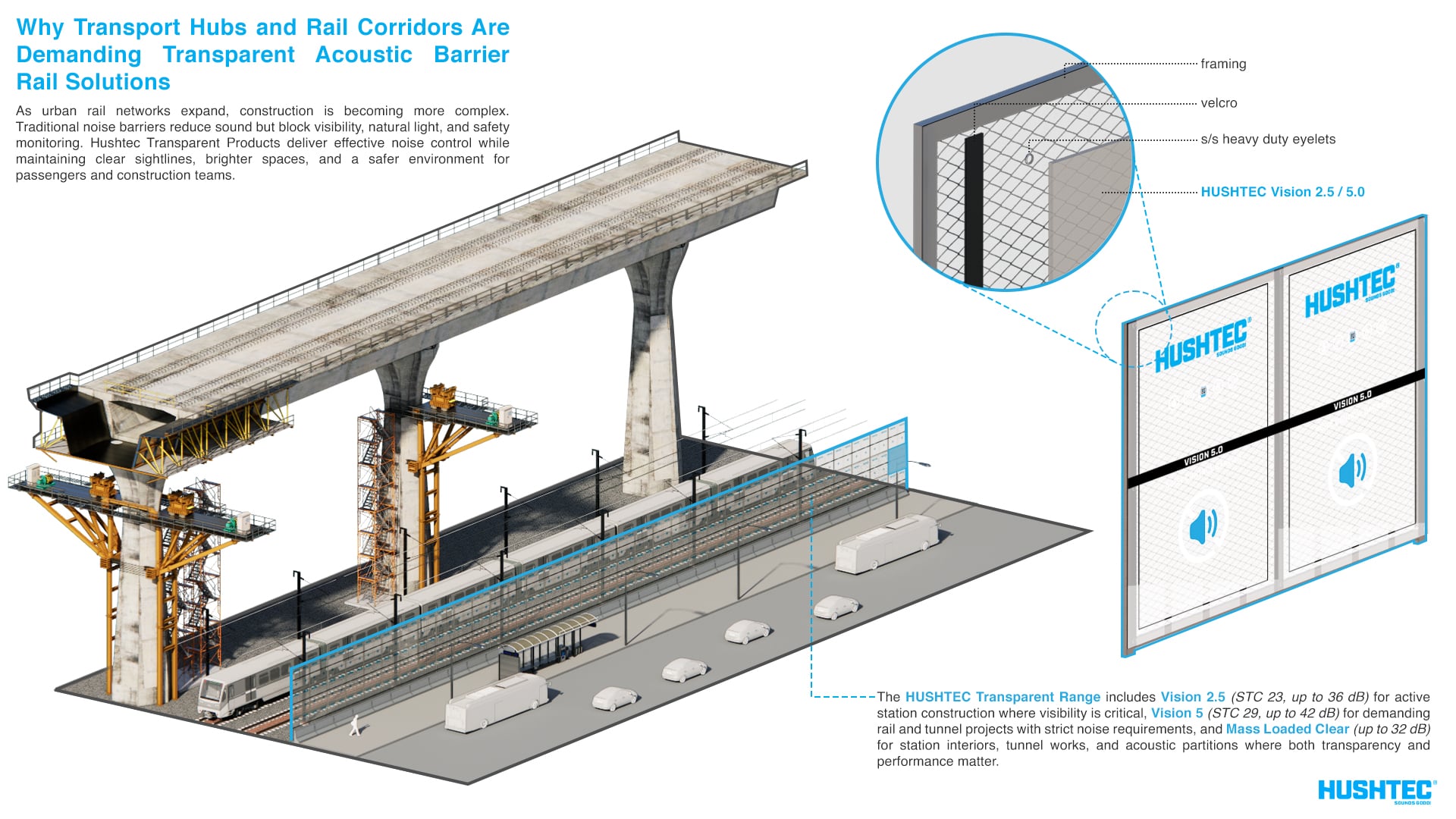
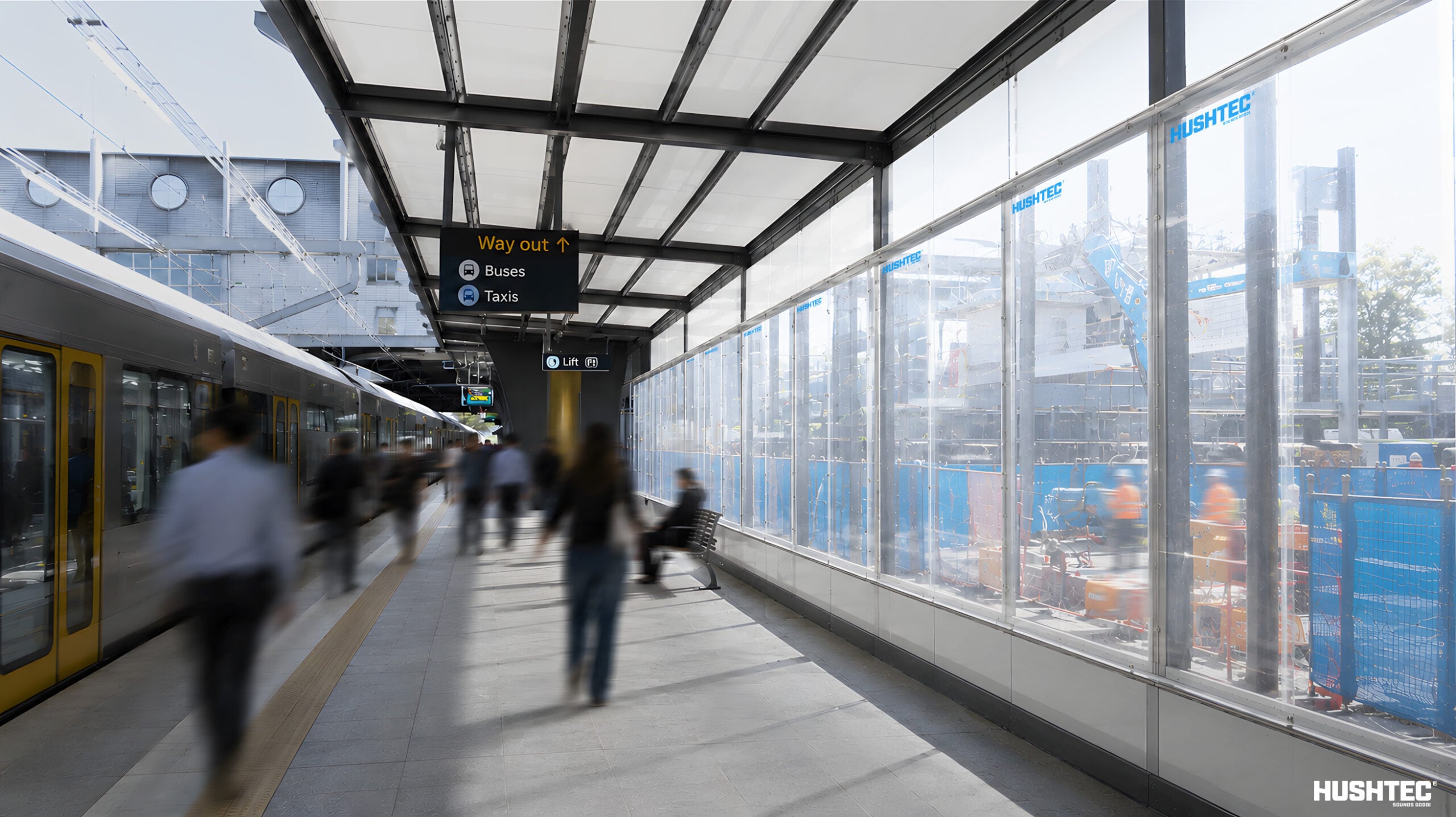
European urban transit projects operate within particularly demanding aesthetic and heritage contexts. The Grand Paris Express network is designed to integrate with world-class architecture and must maintain visual continuity between concourses and street level. German and Nordic rail projects frequently pass through historic city centres where planning authorities impose strict requirements on the visual character of temporary works.
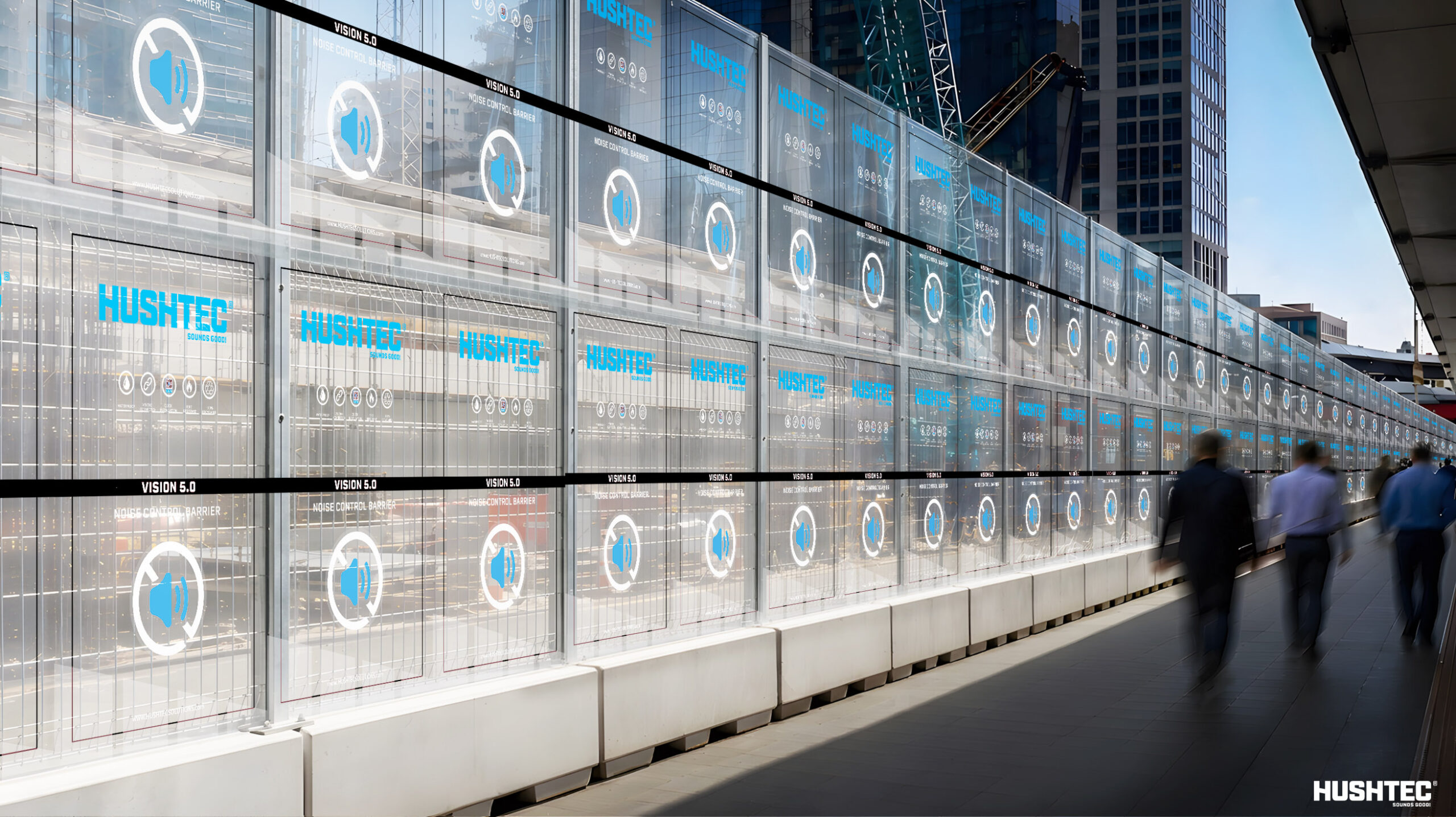
In these contexts, opaque construction hoardings are often unacceptable regardless of their acoustic performance. Hushtec’s Vision range offers acoustic compliance that does not require a trade-off with design — the only transparent barrier solution with ISO-certified acoustic data accepted across EU member state regulatory frameworks.
Frequently Asked Questions
Does Hushtec’s acoustic data comply with ISO 10847 and ISO 717-1?
Yes. Hushtec Vision 2.5 and Vision 5 are tested to ISO acoustic standards. ISO 717-1 STC/Rw data is available for project specifications across EU member states. ISO 10847 field insertion loss data can be provided for major contracts on request.
Can Hushtec barriers be used on Grand Paris Express construction sites?
Yes. Hushtec supplies to European markets and can provide transparent acoustic barriers suitable for Grand Paris Express station precinct works and urban tunnel access shafts. Contact hello@hushtecglobal.com for European project enquiries.
How do Hushtec products relate to the END Directive’s noise action plans?
End Directive noise action plans typically identify construction activities as a contributor to elevated noise levels and require mitigation measures. Hushtec transparent barriers provide documented attenuation that can be included in construction noise management plans submitted to member state competent authorities.
Are Hushtec products available in continental Europe?
Yes. Hushtec operates a global supply network and can arrange supply to European markets. Hushtec is also actively expanding its European distributor network — contact hello@hushtecglobal.com for regional availability.
Can Vision 5 be specified in a German TA Lärm noise management assessment?
Yes. Vision 5’s ISO-certified acoustic data can be presented to German acoustic consultants for incorporation into TA Lärm-based construction noise assessments. Hushtec can provide technical data sheets in both English and, on request, with German-language annotation.
As Europe’s rail network continues to evolve, selecting noise control solutions that satisfy both regulatory requirements and the expectations of modern urban environments is more important than ever. Transparent acoustic barriers offer a practical way to reduce construction noise while maintaining the visibility, aesthetics, and operational efficiency that today’s infrastructure projects demand.
Ready to explore the right solution for your next European rail project? Browse Hushtec‘s transparent acoustic barrier range or contact our team to discuss your acoustic compliance requirements.