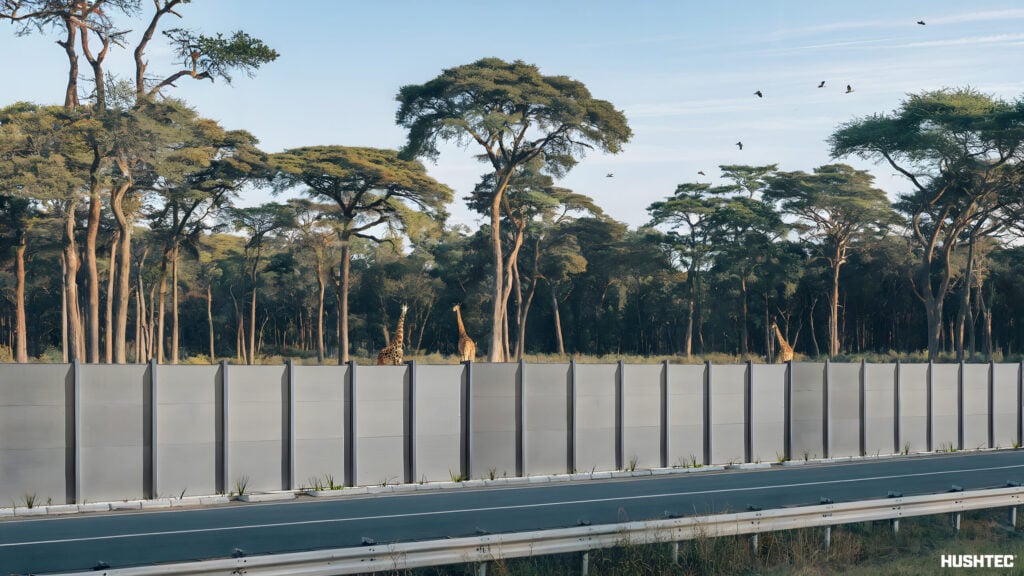



Melbourne’s Suburban Rail Loop is under construction. Sydney Metro West and the Western Sydney Airport line are pushing tunnel boring machines through the city’s west. Cross River Rail is about to start carrying Brisbane passengers. And the Sydney–Newcastle high speed rail business case has federal funding behind it for the first time. Australia is in the middle of the biggest urban rail build in decades, and every one of these projects sits close enough to homes and schools that noise isn’t a footnote in the approval process.
It’s a different kind of noise problem to a standard construction site. A rail corridor doesn’t close down once the trains start running, making rail noise compliance in Australia an ongoing consideration throughout the life of the project.
Why State Regulators Are Paying Closer Attention
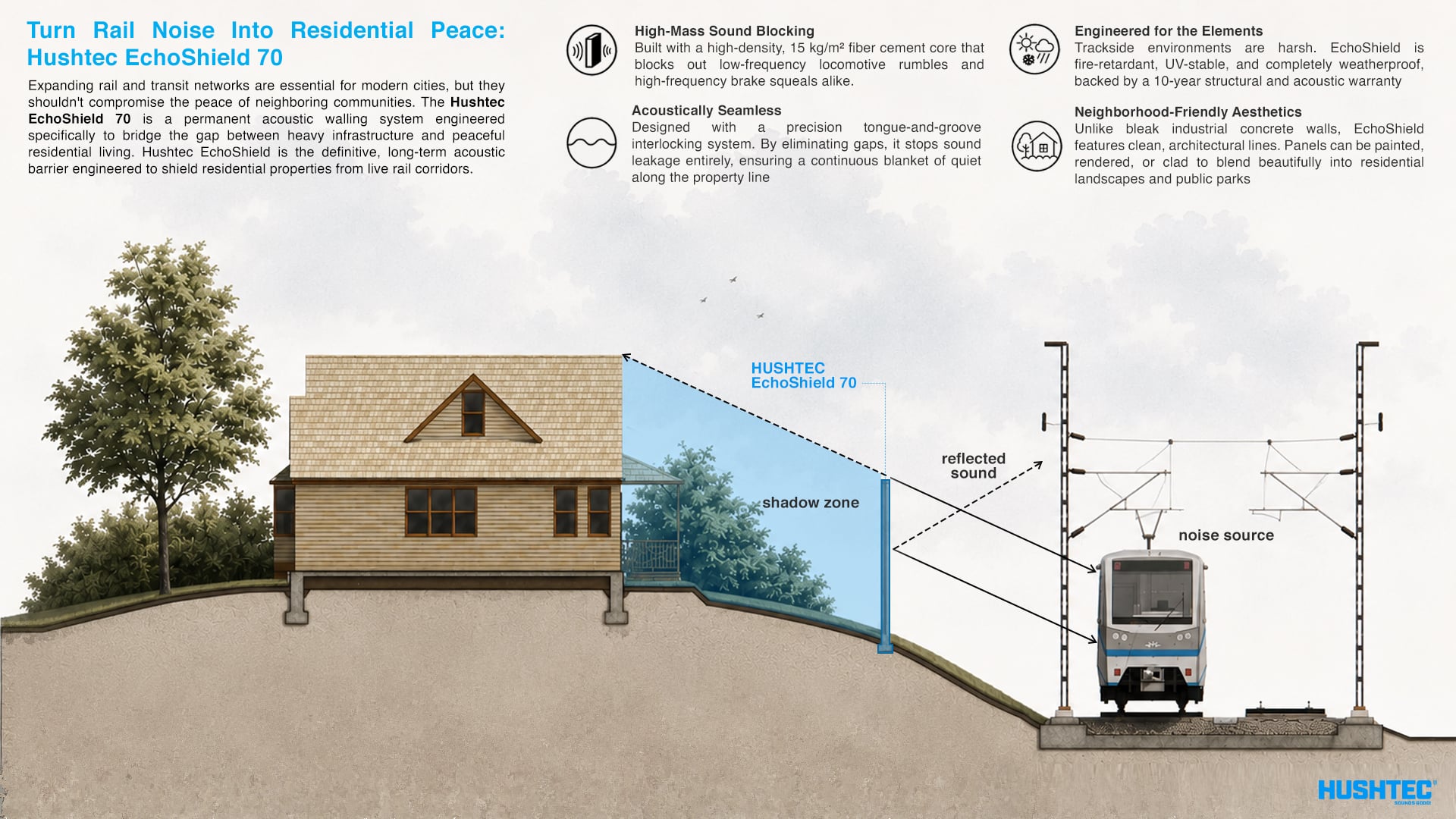
Noise conditions on major rail and transport projects in Australia are set project by project, usually through the relevant state EPA and the project’s own Environmental Impact Statement, and they don’t stop at the ribbon-cutting. Once a line is operational, ongoing noise from wheel-rail contact and rolling stock still has to sit within the limits set during approval, sometimes for the life of the asset.
That creates two separate compliance windows contractors need to plan for. Construction noise, covering piling, tunnelling and heavy plant, gets managed under the project’s construction environmental management plan. Operational noise, once services are running, is a longer-term commitment that outlasts the build contract entirely.
Communities along these corridors, particularly in the established Melbourne and Sydney suburbs the new lines run through, are already vocal during consultation. Projects that turn up with a construction noise plan and nothing for the operational phase tend to find that out the hard way, well after the contractor has moved on.
Matching the Barrier to the Phase
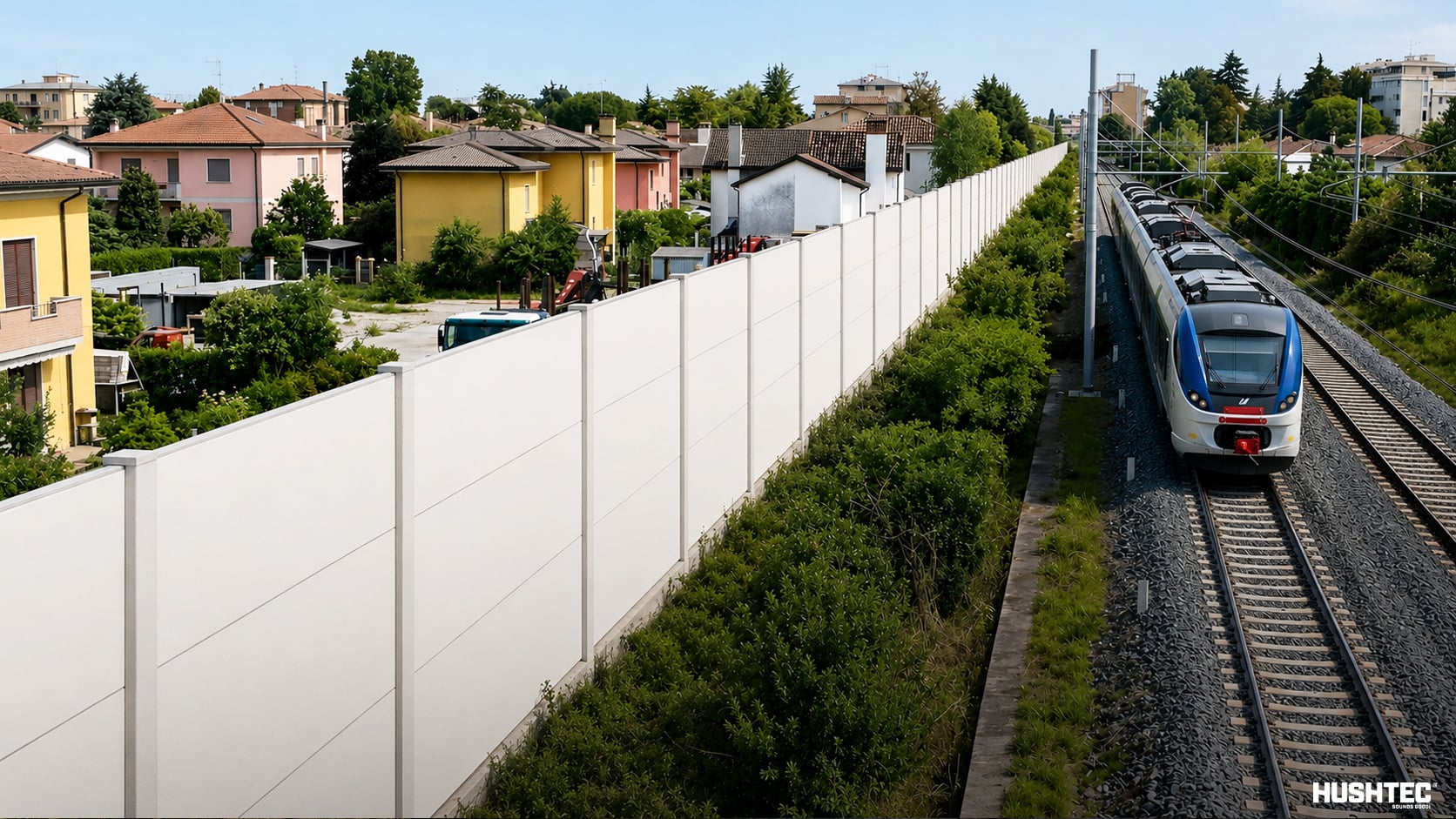
Temporary acoustic barriers around piling rigs, tunnel boring launch sites and spoil handling areas need to keep pace with a moving works program, which on a linear rail corridor means repositioning every few weeks rather than staying fixed for the life of a site.
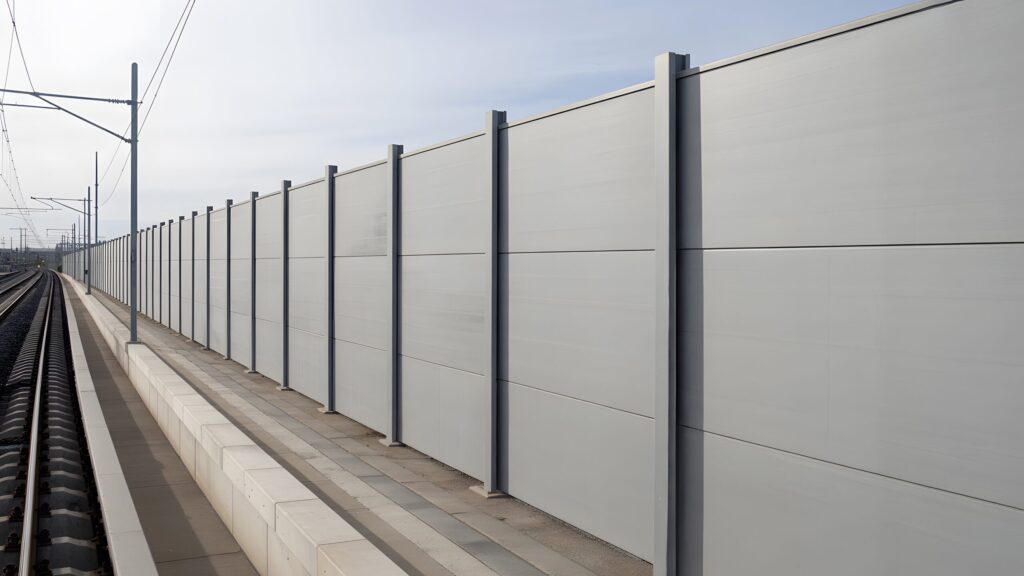
Once a line is in service, that temporary kit isn’t the right tool anymore. Permanent noise walls, like Hushtec’s EchoShield system, are built for the kind of continuous-duty exposure a rail corridor sees year-round, without the ongoing maintenance load that comes with ageing concrete barriers.
What This Means for Contractors Right Now
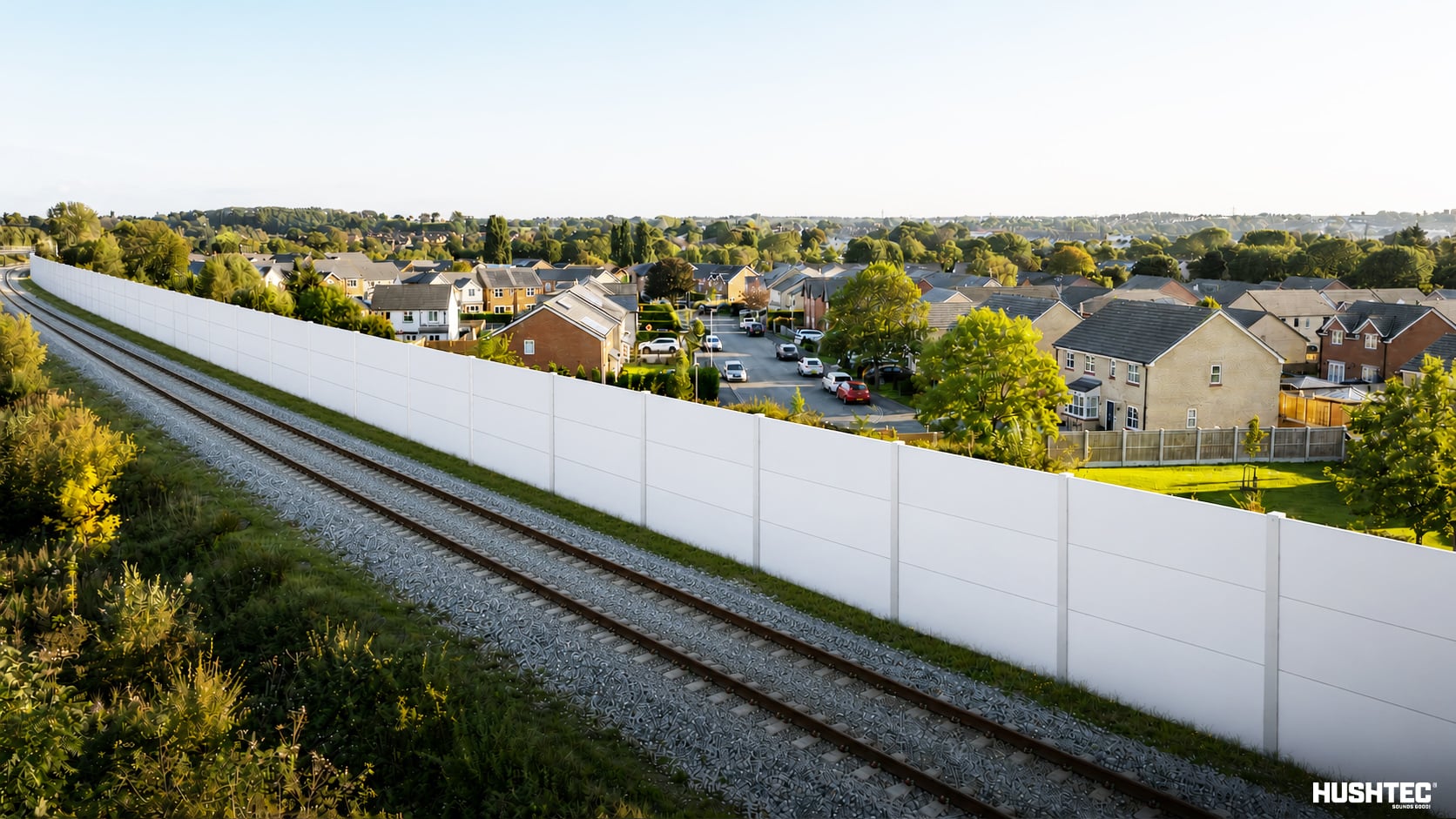
With this much rail work moving through construction across Victoria, New South Wales and Queensland at once, the contractors who can show up with a noise plan covering both phases, not just the one an EPA officer is inspecting this month, are the ones avoiding delays and community pushback down the track.
Hushtec has supplied noise control for infrastructure and transport projects across Australia and New Zealand for years, with barrier systems built for both the build and the decades after it.
Frequently Asked Question
Q: Which authority regulates rail noise in Australia?
A: Noise conditions are set project by project, usually through the relevant state EPA (such as NSW EPA or Victoria’s EPA) and the project’s Environmental Impact Statement, rather than a single national rail noise standard.
Q: Does rail noise compliance end when construction finishes?
A: No. Operational noise from a rail corridor, once trains are running, remains subject to conditions set during project approval, sometimes for the life of the asset.
Q: Why are permanent noise barriers important for rail projects?
A: Permanent noise barriers help reduce ongoing operational noise from passing trains, supporting long-term rail noise compliance and protecting nearby homes, schools, and businesses from excessive noise exposure.
Plan for Rail Noise Compliance from the Start
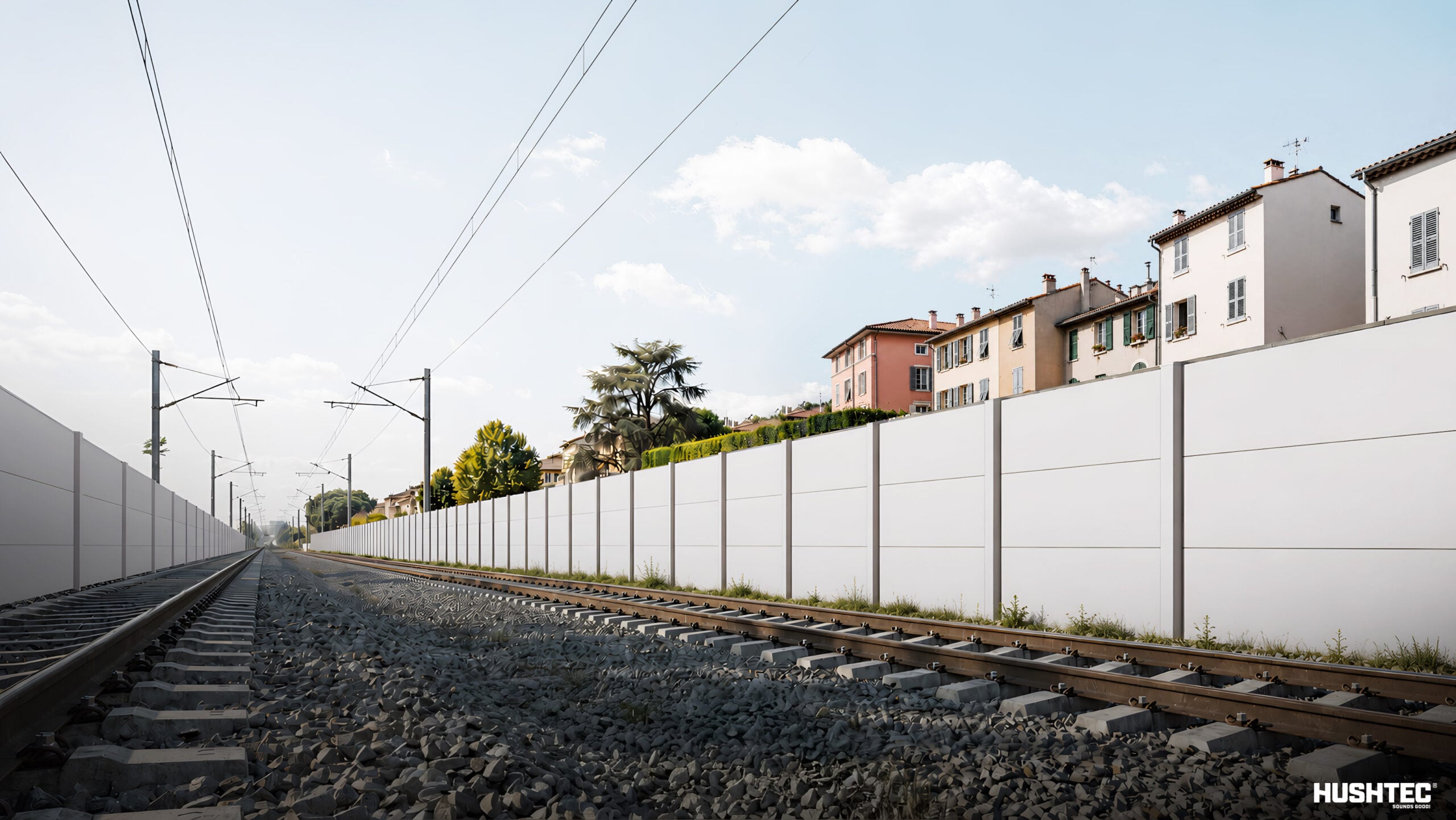
As Australia’s rail infrastructure pipeline continues to grow, planning for rail noise compliance across both construction and operation is becoming increasingly important. Addressing both phases from the beginning helps reduce project risks, support regulatory requirements, and minimise long-term impacts on surrounding communities.
Working on a rail or transit project? Contact Hushtec to discuss rail noise compliance solutions designed for both construction and long-term operation.