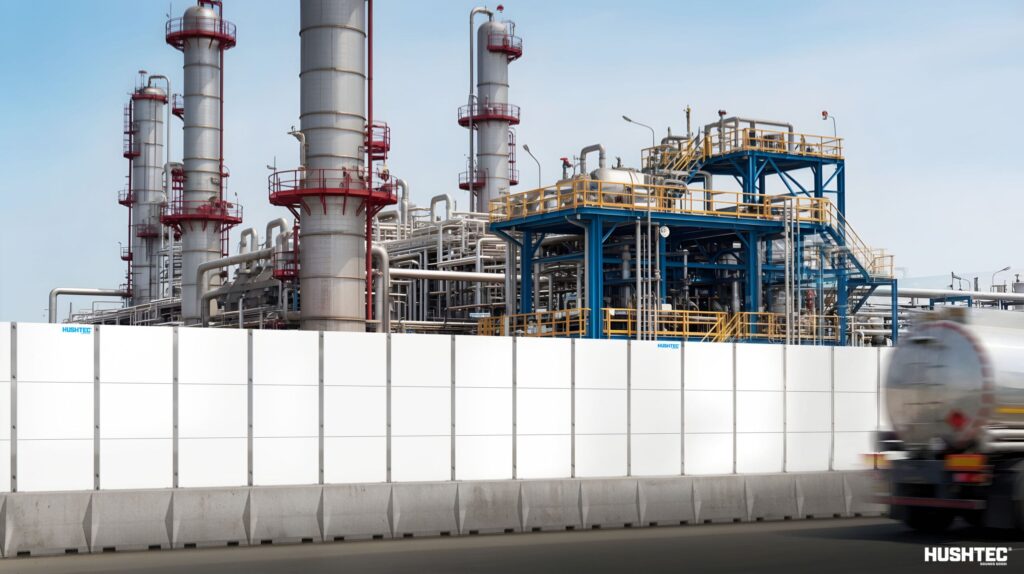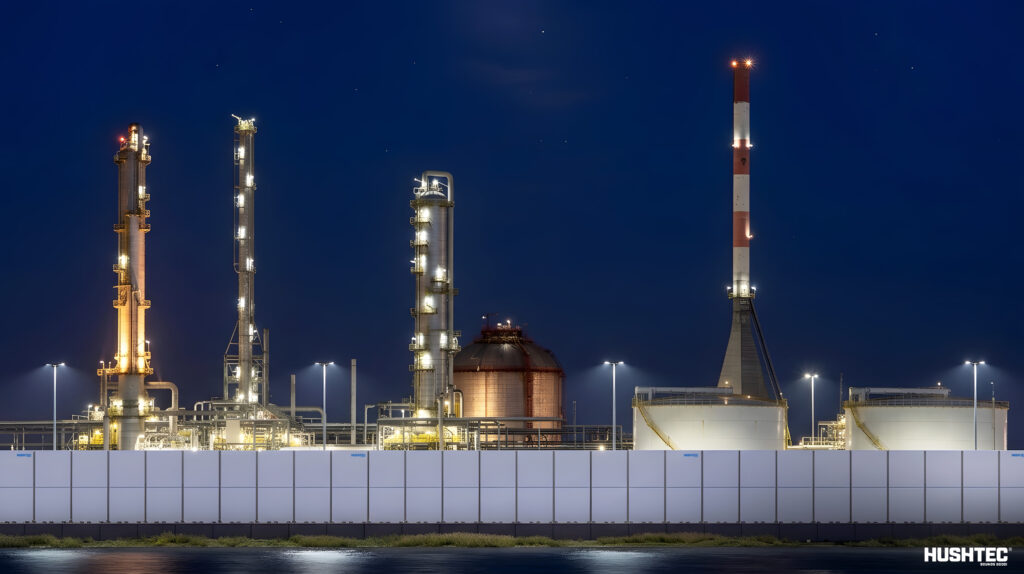


New Zealand’s rail network is in the middle of a major build cycle. Underground city links are preparing to open after years of tunnelling beneath dense urban centres. National networks are being upgraded track by track. Commuter lines are under steady renewal. None of these projects are small, and all of them run through neighbourhoods that live with the outcome long after the construction crews pack up.
That’s the part of rail noise that’s easy to underestimate. A construction site closes down eventually. A rail corridor doesn’t.
Where the Compliance Pressure Actually Sits
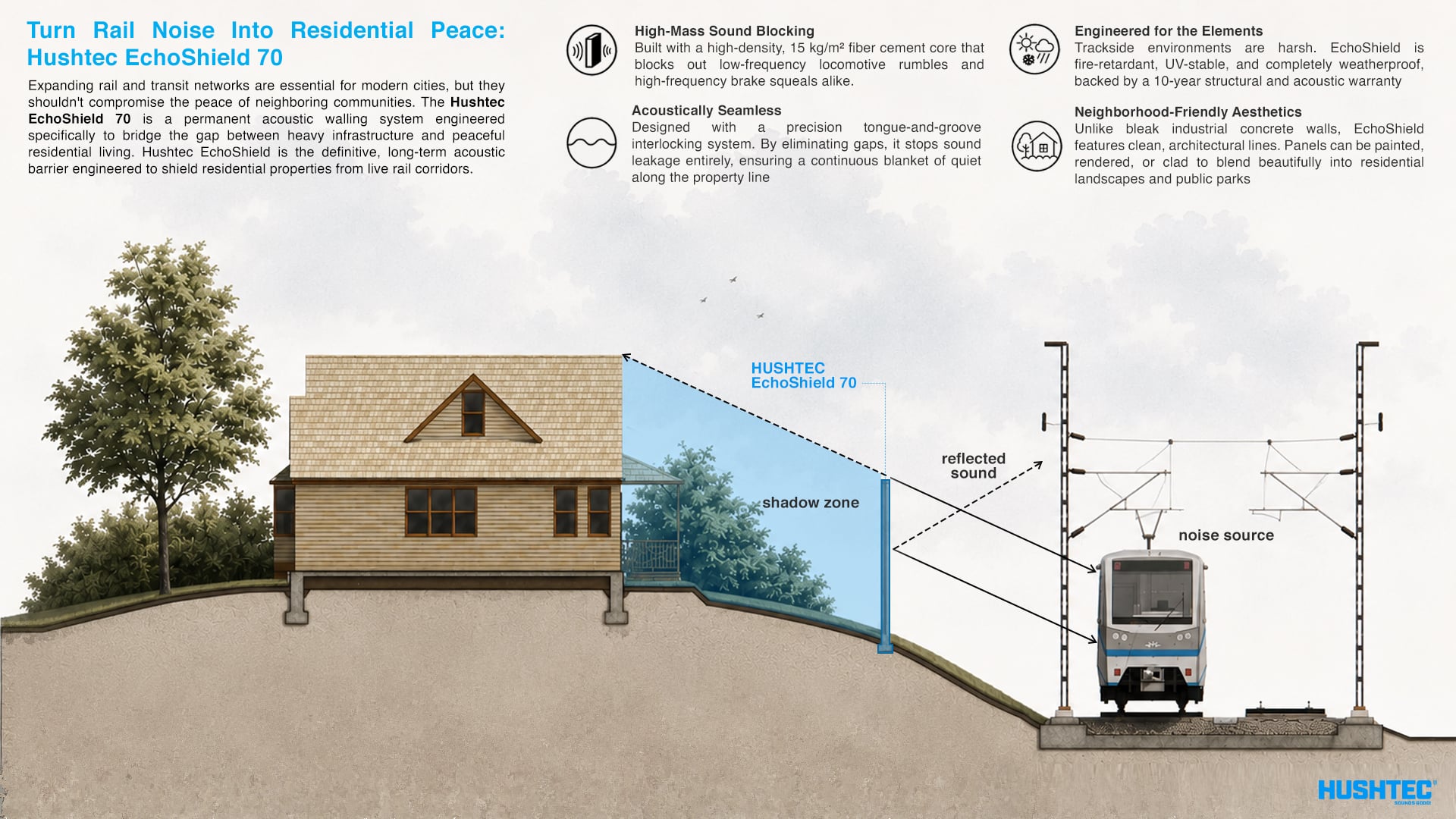
New Zealand doesn’t have a standard written specifically for rail noise the way it does for roads under NZS 6806. But that standard’s approach, and the acoustic insulation and mitigation thinking behind it, gets referenced constantly in resource consent conditions and designations for rail and transport corridor work. Councils and transport authorities assess these projects on the same basic question: what happens to noise levels once the asset is finished and operating, not just while it’s being built.
That’s a harder ask than it sounds. A construction environmental management plan covers piling, grinding and heavy plant for the build. Major rail projects also carry conditions around ongoing operational noise, at levels that reflect a corridor running trains through residential areas every day, indefinitely.
Reverse sensitivity is a live issue too. As cities intensify around existing and new rail lines, more dwellings end up close enough to the corridor that noise mitigation becomes part of the consent conversation on both sides: for the rail agency and for developers building nearby.
Two Phases, Two Different Jobs
During construction, temporary barriers around piling rigs and tunnelling equipment need to be repositioned as work moves along the corridor. On a project spanning years, that happens often.
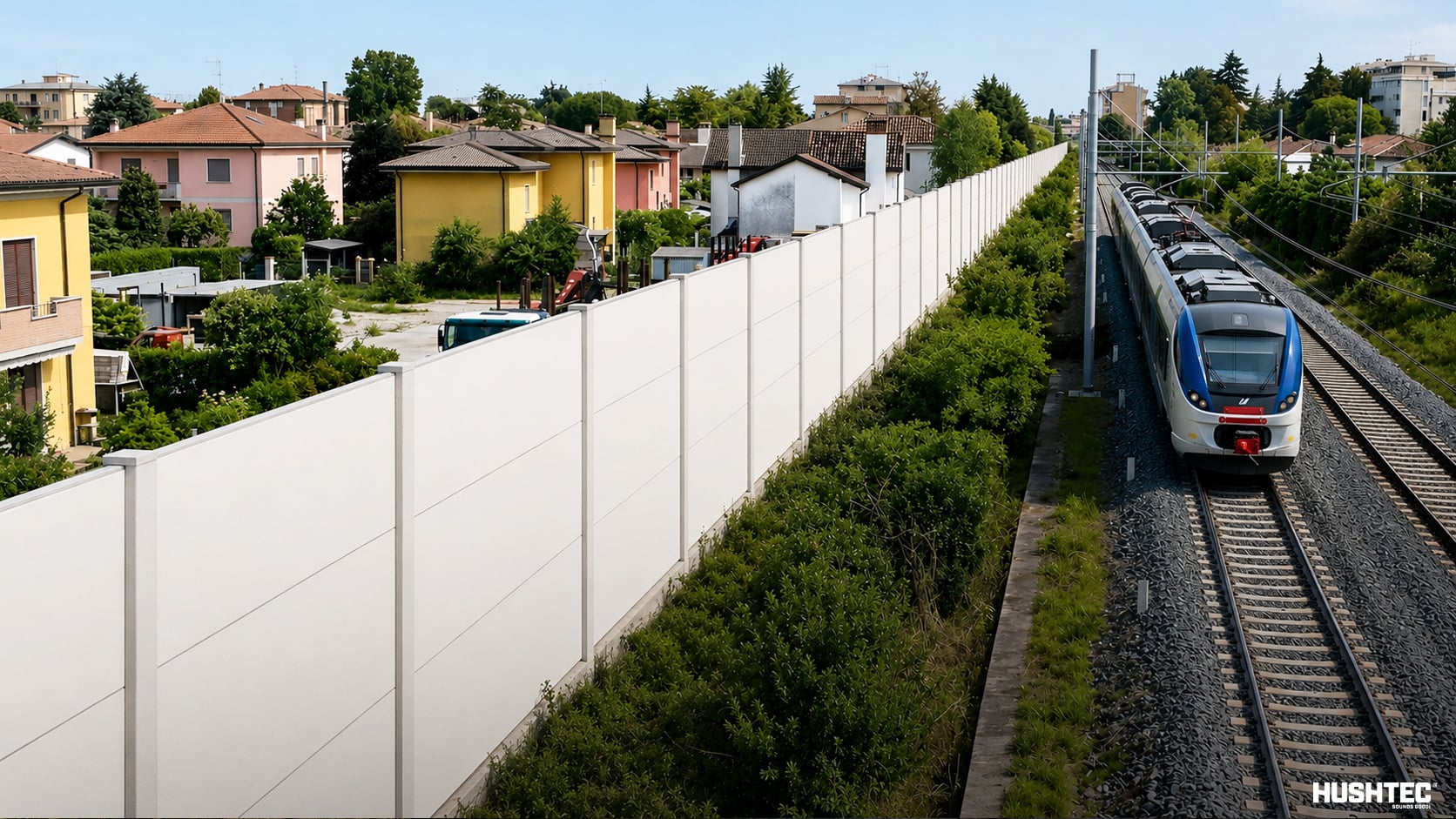
Once services start running, that temporary setup gets replaced by something built to last. Hushtec’s EchoShield permanent noise wall is designed for exactly that kind of continuous-duty environment. It’s engineered and manufactured in New Zealand, tested for the conditions local rail and highway corridors actually face.
What Contractors Should Be Planning For
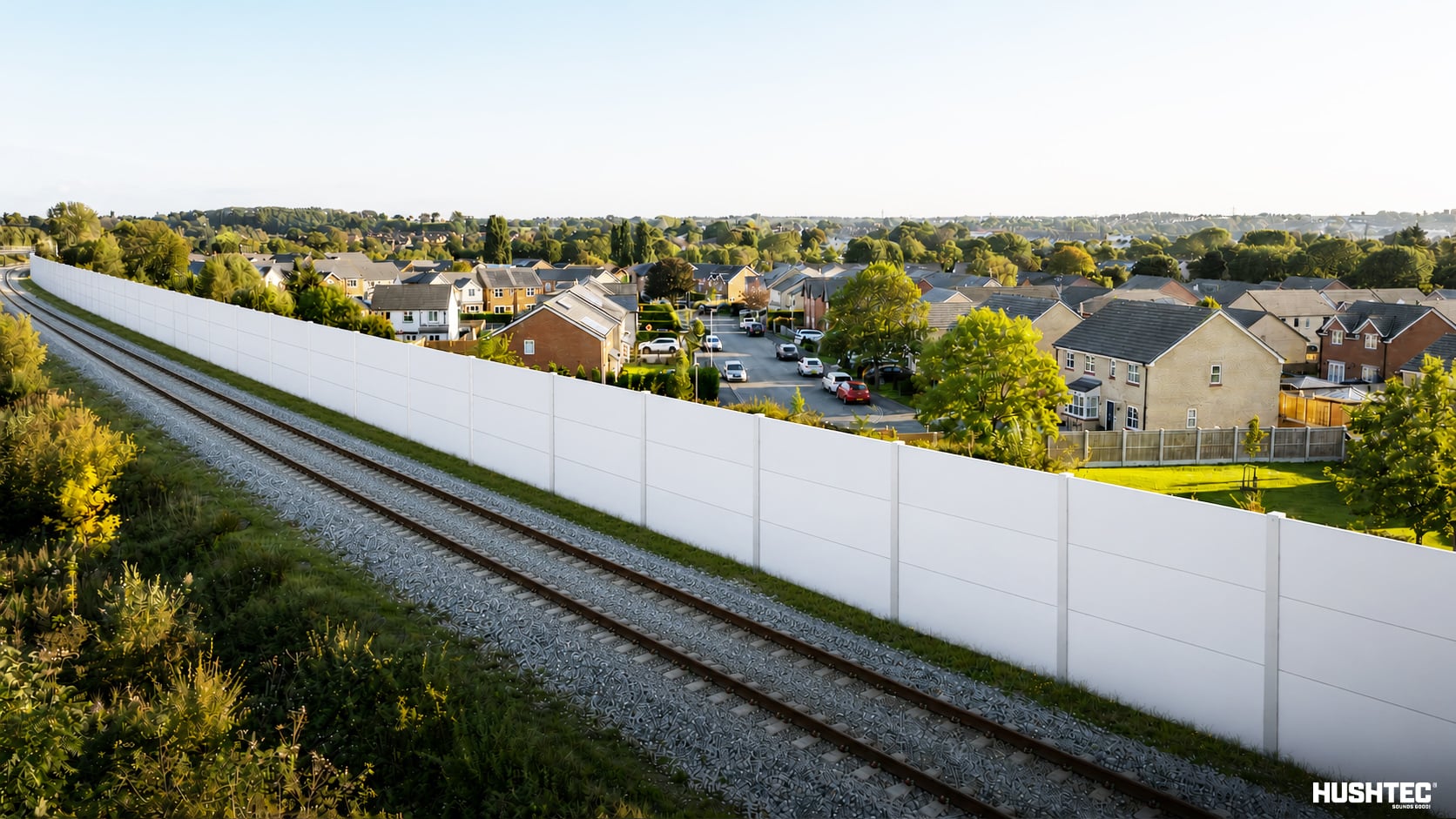
With major rail projects nearing completion and more corridor upgrades in the pipeline, the contractors turning up with a noise plan that covers both the build and what happens after are the ones not scrambling to fix a consent condition mid-project.
Hushtec has supplied noise control to New Zealand’s infrastructure and transport sector for years, with both temporary and permanent barrier systems built and tested locally.
Frequently Asked Question
Q: Is there a dedicated rail noise standard in New Zealand?
A: Not specifically. NZS 6806 covers road-traffic noise, but its mitigation approach is commonly referenced in resource consent conditions and designations for rail and transport corridor projects.
Q: What is reverse sensitivity in the context of NZ rail noise?
A: It refers to conflicts arising when new housing is built near existing or planned rail corridors, which requires noise mitigation considerations for both the rail agency and nearby developers.
Q: Why is rail corridor noise compliance important in New Zealand?
A: Rail corridor noise compliance in New Zealand helps ensure construction and operational rail noise are effectively managed, supporting resource consent requirements while reducing long-term impacts on nearby communities.
Meeting Rail Corridor Noise Compliance with Confidence
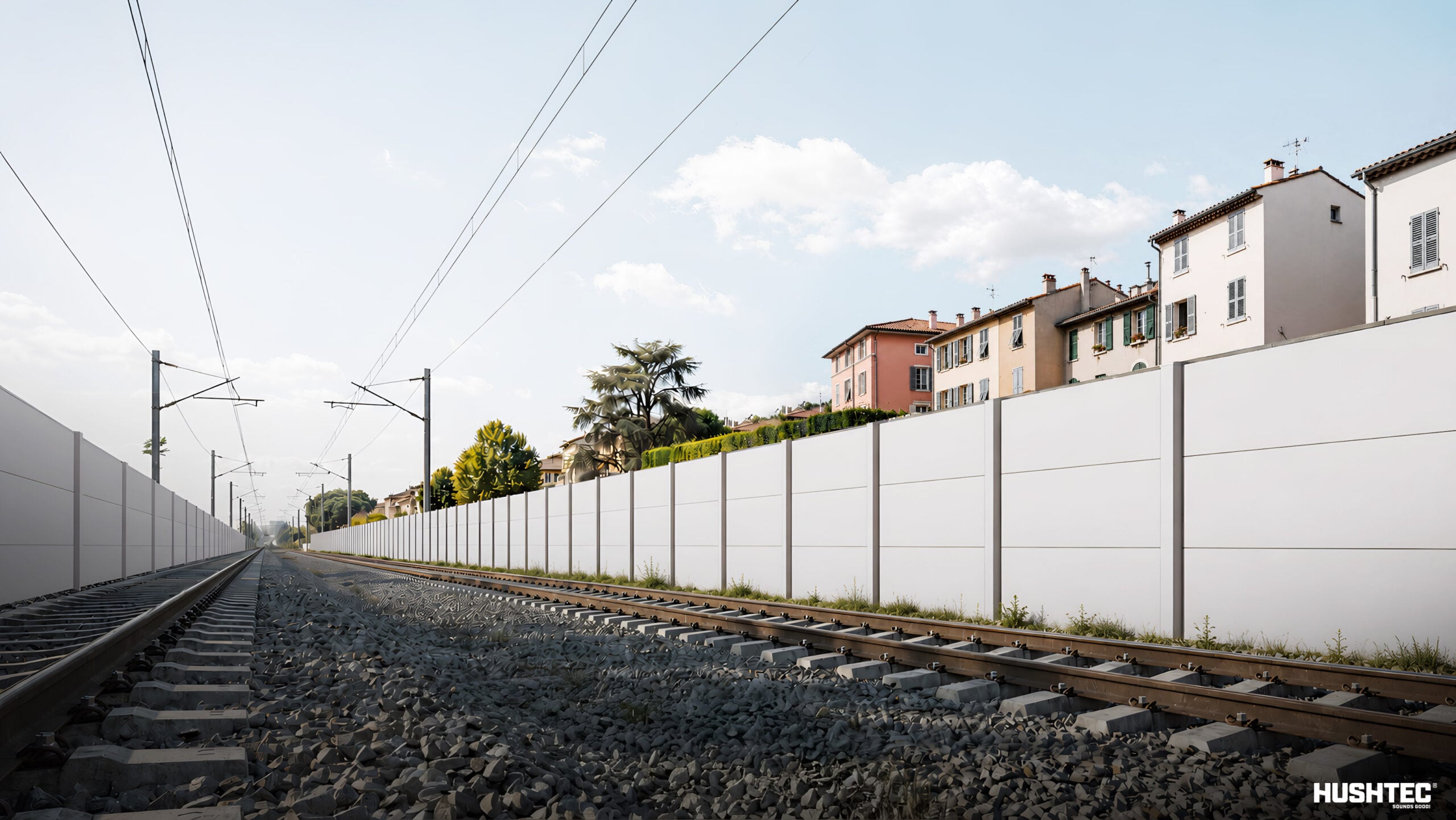
Rail corridors continue operating long after construction ends, making long-term planning essential for rail corridor noise compliance in New Zealand. By considering both construction and operational noise from the outset, project teams can support resource consent requirements, minimise community impacts, and deliver more sustainable rail infrastructure.
Every rail corridor has unique acoustic challenges. Talk to Hushtec about practical solutions that support rail corridor noise compliance in New Zealand from planning through operation.