


New track is going in across North America right now: light rail extensions, tunnel projects, a handful of high-speed lines finally moving past the planning stage. Every one of those projects runs into the same problem eventually. Wheel-rail contact, engine noise, and pile driving during the build don’t stay contained to a work site. They travel straight into the neighborhoods the line was built to serve.
That’s what makes rail different from a typical construction noise problem. A building site wraps up in a year or two. A rail corridor runs for decades, and it doesn’t get a grace period once it’s operational.
The Compliance Problem Is Bigger Than People Expect
A few things make rail noise harder to manage than most infrastructure noise.
Councils and transport authorities don’t just check the noise plan at the construction phase. They want to know what happens once trains are running every day for the next thirty years. A mitigation plan that only covers the build is an incomplete plan.
Complaints also behave differently on rail projects. A loud six months during construction gets tolerated. Noise that shows up every day once the line opens does not, and it’s the kind of thing that shows up in council meetings and local news long after the ribbon-cutting.
There’s also a growing body of research linking sustained exposure to traffic and rail noise with sleep disruption and cardiovascular strain, and councils are leaning on that more heavily when they assess new proposals.
Two Different Jobs, Two Different Solutions
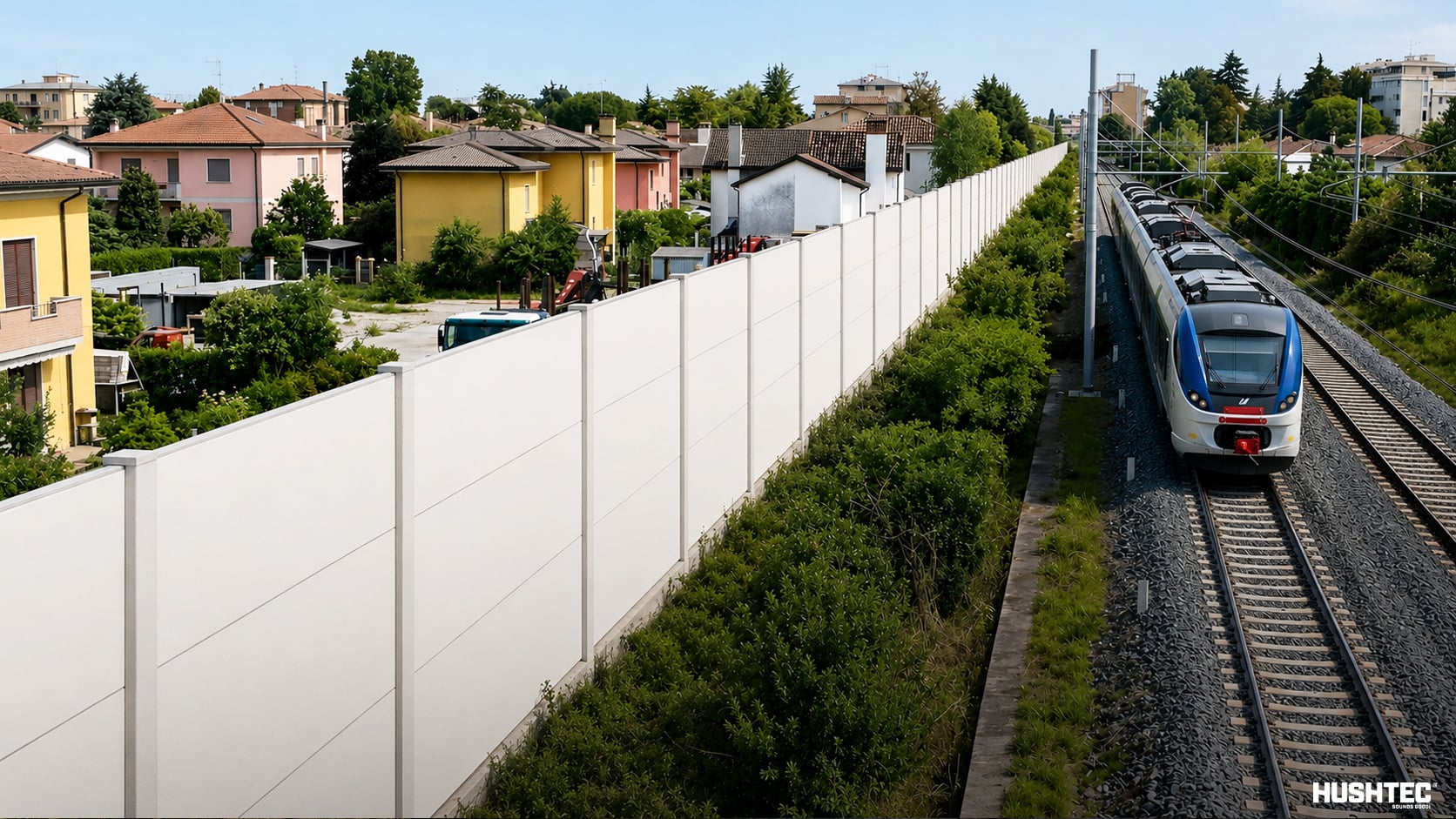
Construction and operation aren’t the same noise problem, so they shouldn’t get the same fix.
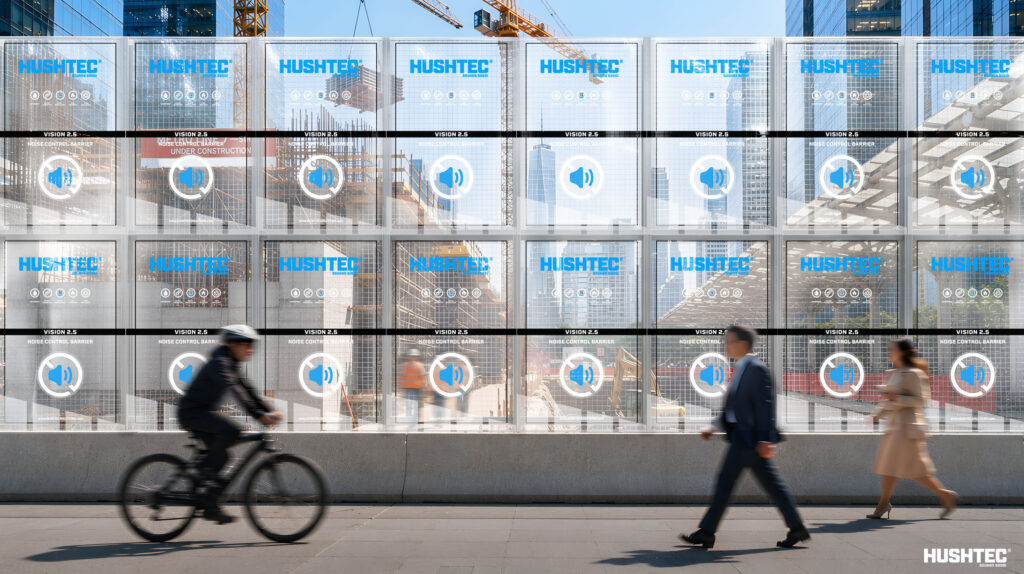
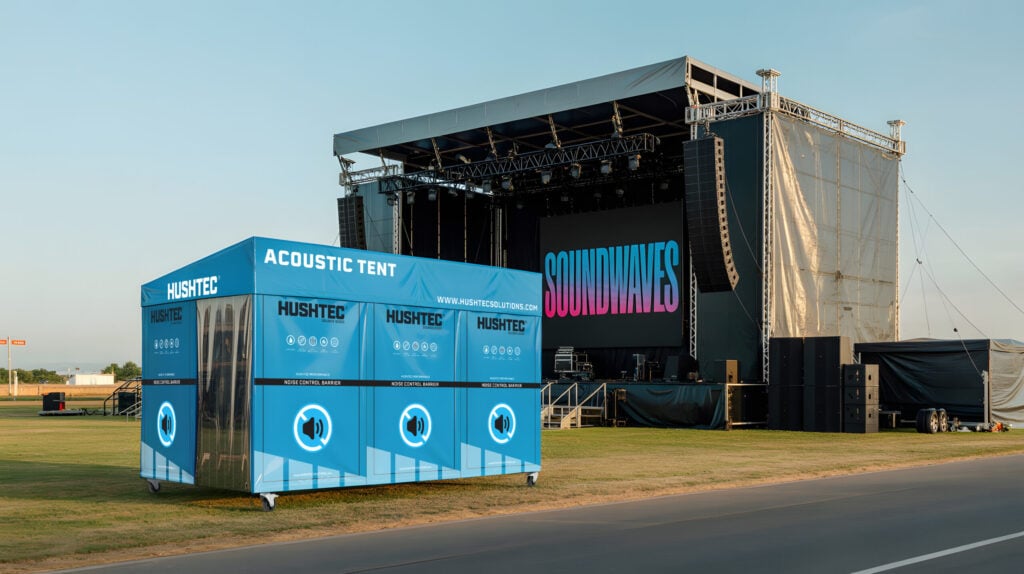
During the build, temporary barriers around pile drivers and rail grinders need to move with the work. Rail corridors are linear, so the loud part of the job shifts down the line every few weeks. Panels that can be repositioned without a full teardown matter more here than on a fixed site.
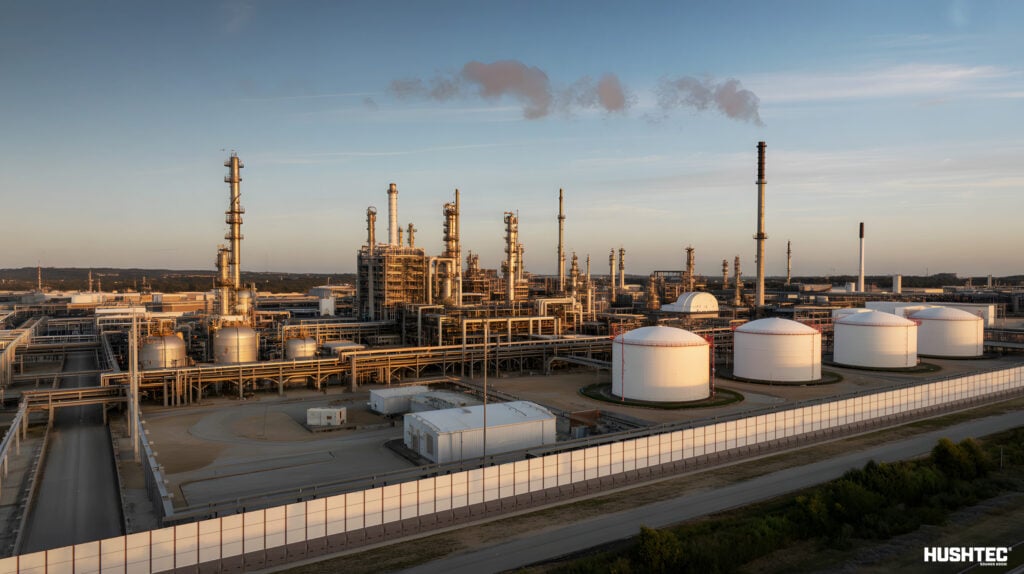
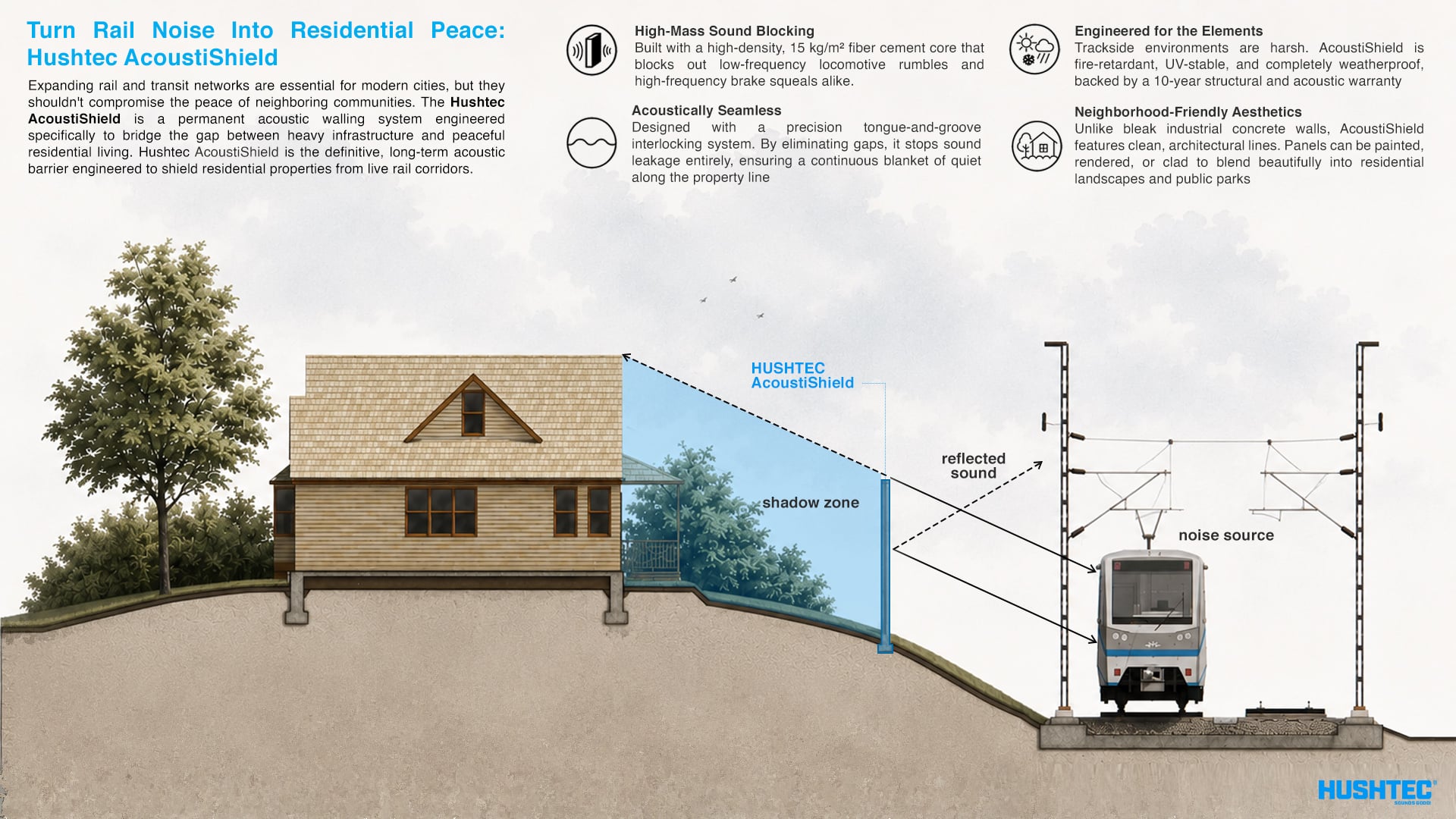
Once the line is running, that temporary setup isn’t good enough. Continuous operation calls for a permanent wall built for the long haul. Hushtec’s Acoustishield is designed for that kind of continuous-duty environment, rail corridors and highways included, without the upkeep that comes with older concrete or timber barriers. Permanent systems also play a critical role in supporting long-term rail noise compliance.
Projects that plan for both phases from the start tend to avoid the scramble that happens when a noise complaint forces a redesign mid-build.
Where This Leaves Contractors and Transit Authorities
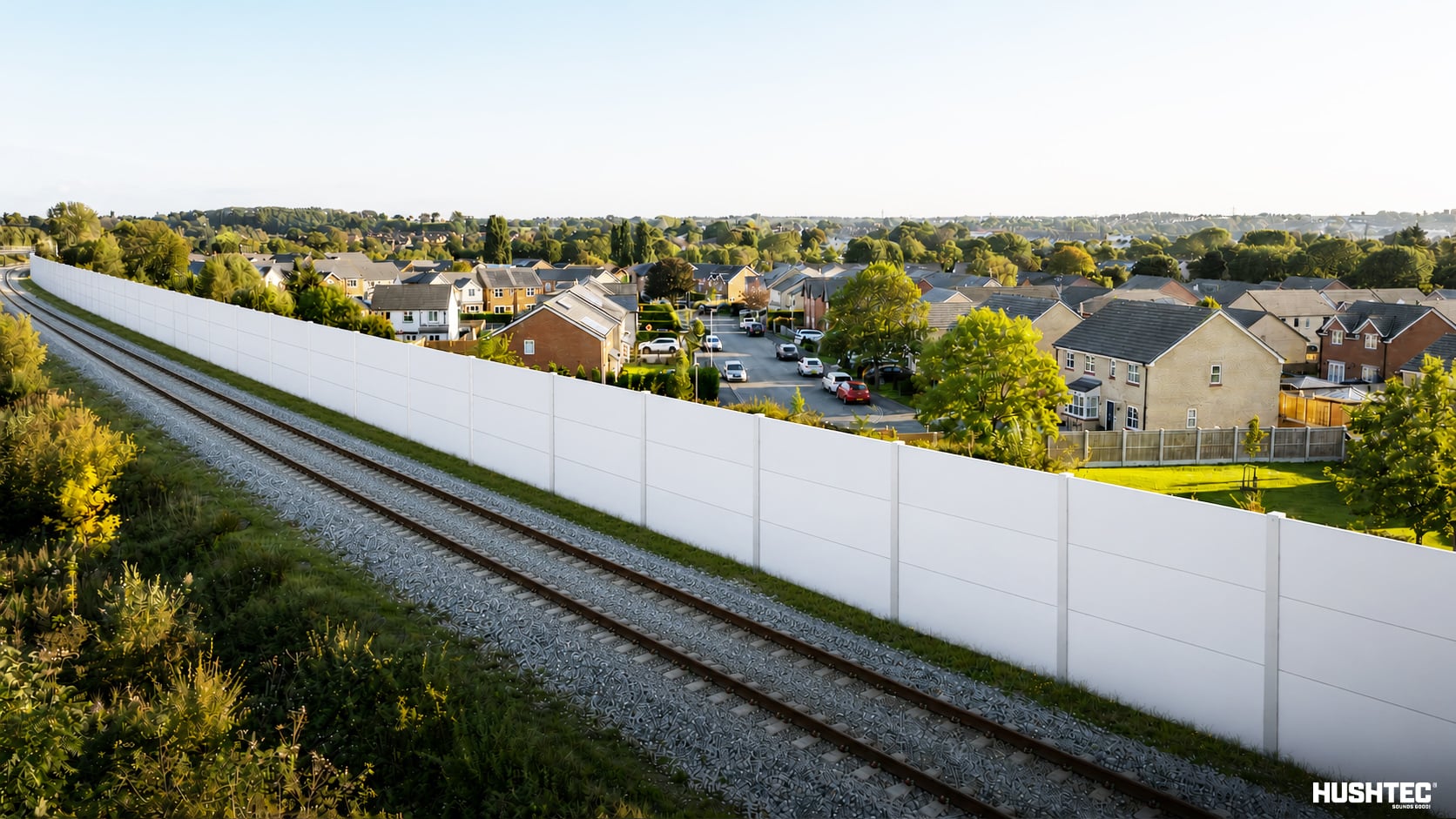
There’s a lot of rail money moving through planning and construction right now, which means there’s also a lot of competition for the contractors who can show up with a noise plan that already accounts for both phases, not just the one in front of the inspector this month.
Hushtec has worked with Tier 1 and Tier 2 contractors on highway and rail noise mitigation for years, supplying both the temporary systems for the build and the permanent walls for after. This approach helps contractors achieve rail noise compliance throughout every stage of a rail infrastructure project.
Frequently Asked Question
Q: Why is rail noise harder to manage than typical construction noise?
A: Because rail corridors operate continuously for decades rather than closing down once a build finishes, so compliance plans have to cover both construction noise and long-term operational noise.
Q: What’s the difference between temporary and permanent rail noise barriers?
A: Temporary barriers are modular and repositionable, used during construction phases like piling and grinding. Permanent walls, such as Hushtec’s Acoustishield, are engineered for continuous-duty environments once a rail line is operational.
Q: When should rail noise mitigation be included in a project?
A: Rail noise mitigation should be considered during the planning and design stages. Early integration helps improve regulatory compliance, minimise redesign costs, and reduce community impacts throughout construction and operation.
Plan Your Rail Corridor Noise Control Strategy Early
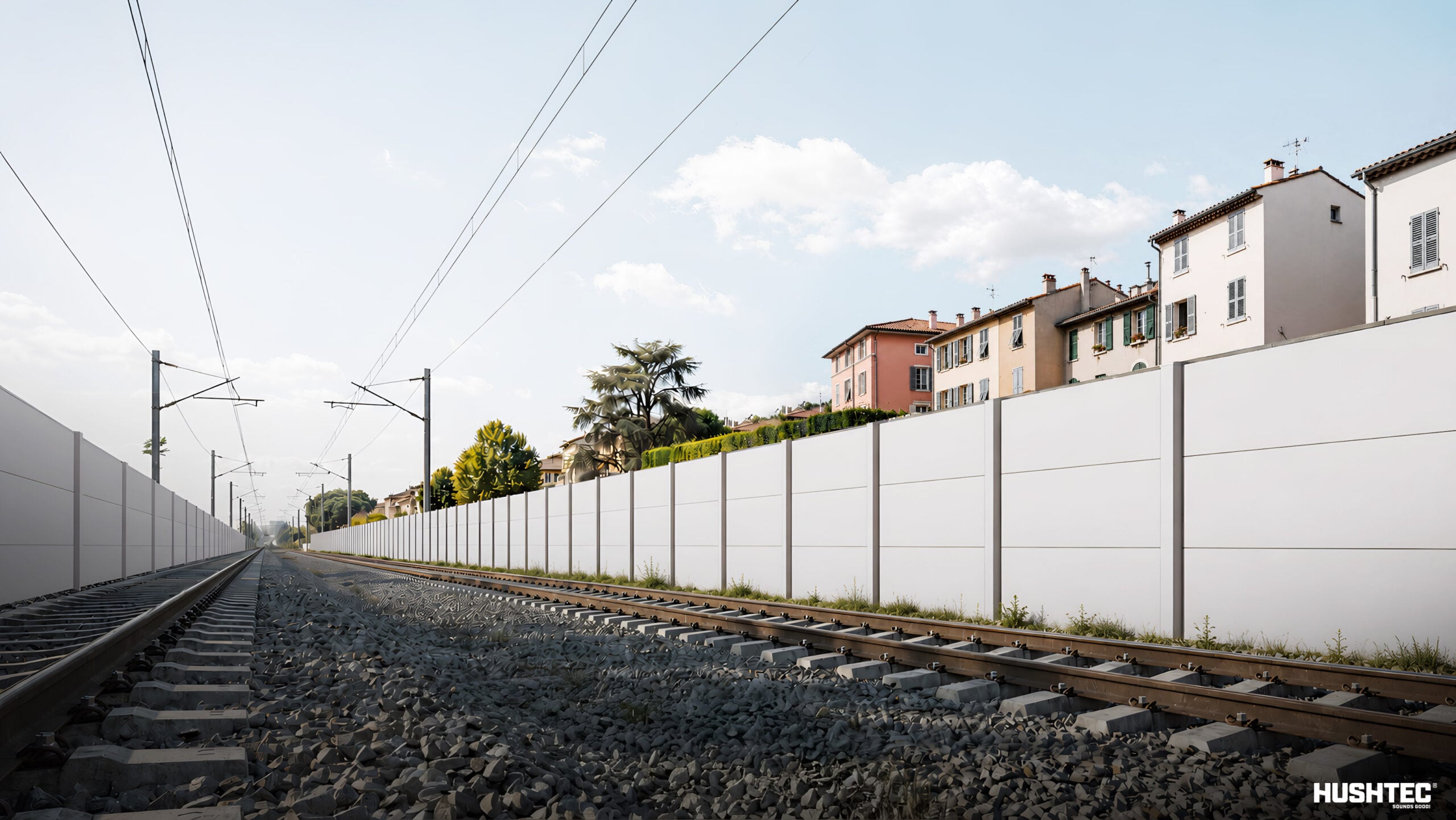
The most successful rail projects don’t treat noise mitigation as a short-term construction requirement. They build rail noise compliance into every phase of the project, from the first pile driven to decades of daily train operations.
Talk to Hushtec about temporary and permanent rail noise compliance solutions that help keep your project on track from construction through operation.