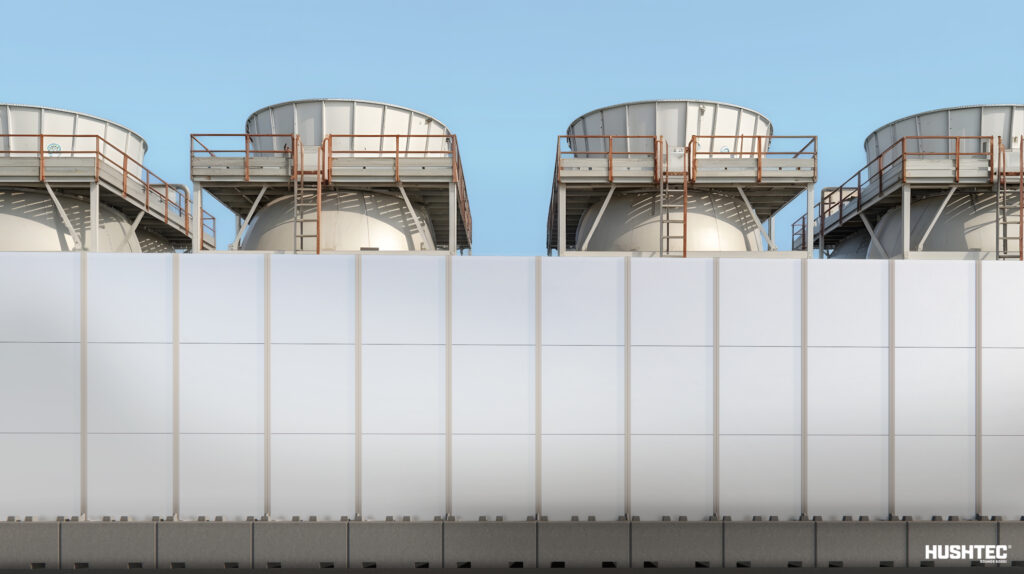



Portable acoustic wall systems are critical for managing noise in oil and gas sites where equipment, operations, and confined environments generate high sound levels. These modular systems help reduce noise transmission, protect workers, and support compliance in demanding industrial conditions. By integrating noise control solutions with flexible wall systems, operators can maintain productivity while controlling environmental impact.
Noise Compliance Requires More Than Planning — It Requires Adaptability
Noise restrictions are now a routine part of oil and gas project planning. However, while compliance requirements continue to tighten, operational environments remain highly dynamic.
Equipment moves. Layouts evolve. Work zones expand and contract.
Traditional noise control methods were designed for fixed environments — but oil and gas operations rarely remain static for long.
Modern sites require solutions that move at the same pace as the project itself.
The Limitations of Permanent Noise Control Infrastructure
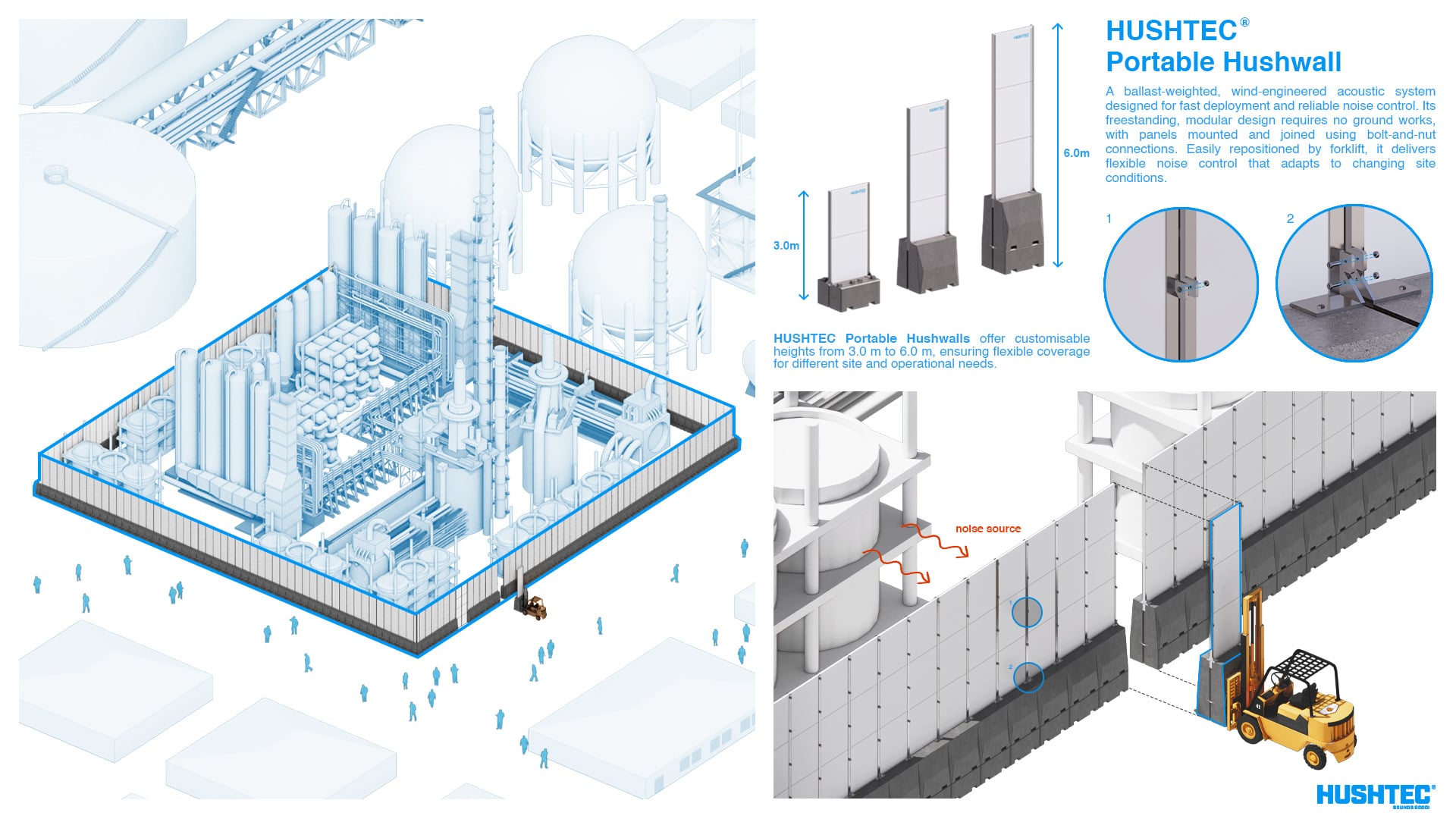
Historically, many projects relied on permanent acoustic walls or fixed containment systems. While effective in controlled environments, these solutions often introduce logistical and operational challenges in active oil and gas settings.
Permanent installations typically involve:
- Detailed engineering design
- Ground preparation and foundations
- Extended installation timelines
- Limited flexibility once installed
For temporary operations, exploratory drilling, maintenance shutdowns, or phased developments, permanent structures may not be practical.
When speed matters, permanence can become a limitation.
Why Portable Acoustic Systems Are Changing Industry Approaches
To overcome the limitations of permanent infrastructure, many operators are turning to portable acoustic wall systems.
These systems provide the acoustic performance required to meet noise compliance requirements while offering the flexibility needed in fast-moving environments.
Portable acoustic systems are designed to:
- Deploy without permanent foundations
- Adapt to site changes
- Support temporary operations
- Maintain compliance without civil works
This flexibility allows operators to respond to noise challenges without delaying productivity.
In modern oil and gas environments, portability is no longer optional — it is operationally necessary.
Introducing Hushwall as a Purpose-Built Portable Acoustic Solution
While the concept of portable acoustic containment continues to evolve, not all systems are designed specifically for demanding oil and gas environments.
Engineered solutions such as the Hushtec Hushwall Portable System are developed to address the practical challenges faced on active industrial sites — where flexibility, stability, and mobility must work together.
Rather than functioning as temporary shielding, Hushwall is designed as operational acoustic infrastructure capable of supporting ongoing site activity.
The system combines:
- Modular acoustic panel construction
- Integrated ballast stabilisation
- Forklift-accessible base frames
- Foundation-free installation capability
This engineered approach allows containment to be deployed in environments where traditional infrastructure would introduce delays or restrict adaptability.
In modern oil and gas operations, systems such as Hushwall represent the transition from temporary noise control to flexible operational infrastructure.
Key Engineering Features That Enable Portable Acoustic Wall Systems Deployment
Portable acoustic wall systems are engineered to function in demanding industrial environments. Their value lies not only in sound reduction, but in their ability to adapt to evolving site conditions.
Forklift Mobility and Repositioning Capability
One of the defining advantages of portable acoustic wall systems is their ability to be repositioned quickly as site conditions change.
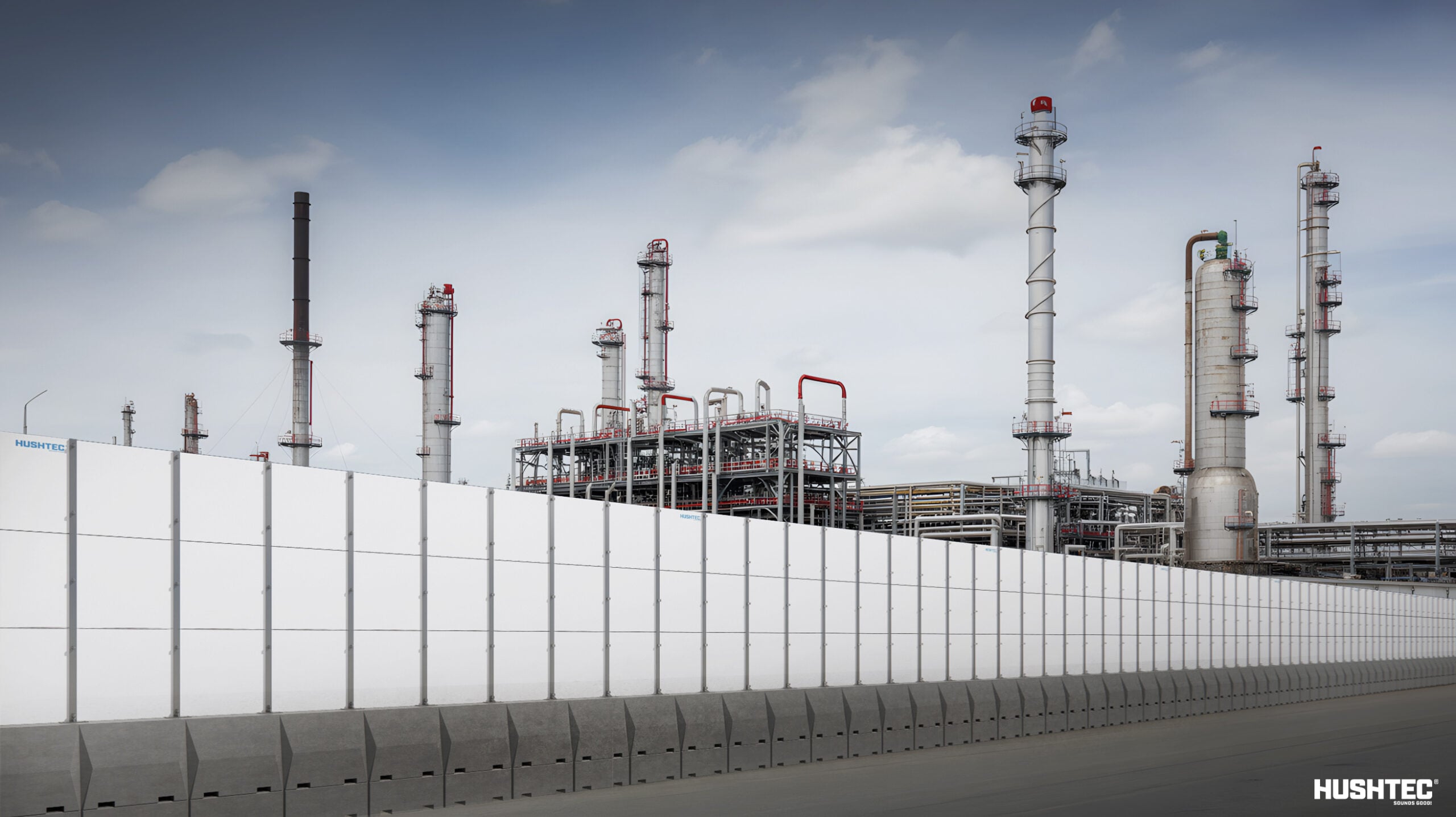
Rather than relying on permanent installation methods, portable systems are designed with integrated forklift pockets within the base frame. This allows assembled wall sections to be relocated using standard site forklifts — equipment already available across most oil and gas operations.
This capability enables:
- Rapid relocation of acoustic walls as work zones evolve
- Flexible positioning around changing equipment layouts
- Reduced downtime when site configurations shift
- Continued use of the same system across multiple project stages
The Hushtec Hushwall Portable System, for example, is supplied in prefabricated sections that are assembled on site, with acoustic panels installed into upright frames and stabilised using engineered ballast.
Once assembled, the wall sections can be repositioned using forklifts as required.
This design allows noise containment to remain aligned with changing operational layouts — without requiring permanent infrastructure.
Modular Configuration Design for Complex Layouts
Oil and gas environments rarely follow uniform layouts.
Modular acoustic systems allow panels to be arranged around:
- Equipment clusters
- Drilling operations
- Temporary work zones
- Perimeter boundaries
This flexibility ensures containment can be applied precisely where it is required — rather than forcing sites to adapt to fixed infrastructure.
Rather than redesigning permanent structures for each change, modular systems allow layouts to evolve alongside operational needs.
Engineered Height and Stability for Industrial Conditions
Portable acoustic walls used in oil and gas environments must perform reliably under demanding conditions.
The Hushtec Hushwall Portable System is engineered to achieve barrier heights of up to 6 metres, allowing effective containment of large equipment and high-noise operations commonly found in oil and gas environments.
Structural stability is achieved through integrated ballast systems designed to resist wind loading without requiring permanent anchoring.
This enables reliable performance in:
- Remote locations
- Open terrain
- High-wind environments
- Temporary industrial worksites
Stability without foundations is a defining advantage in dynamic project environments.
No Permanent Foundations Required
Traditional acoustic installations often depend on concrete foundations and civil works.
Portable acoustic wall systems eliminate this requirement.
Instead, stabilisation is achieved through engineered ballast integrated into the system design.
This enables:
- Faster installation timelines
- Reduced disruption to the site
- Easy relocation or reconfiguration
- Reusability across multiple project phases
In temporary or evolving environments, eliminating civil works significantly improves deployment flexibility.
Supporting Dynamic Oil & Gas Site Conditions
Oil and gas operations are constantly evolving.
Equipment relocation, maintenance programs, and phased development schedules require containment solutions that adapt quickly.
Portable acoustic wall systems support:
- Drilling programs
- Compressor stations
- Maintenance shutdowns
- Temporary expansions
- Equipment containment zones
Because portable systems can be reconfigured as needed, they support operational continuity without requiring structural redesign.
Faster Deployment Supports Faster Compliance
Meeting noise requirements is often a prerequisite for project approval or continued operation.
Portable acoustic wall systems reduce the time between planning and implementation — allowing teams to meet compliance requirements sooner.
This can result in:
- Faster project approvals
- Reduced operational delays
- Improved scheduling certainty
- Lower risk of shutdown events
Deployment speed becomes a direct contributor to productivity.
Operational Benefits Beyond Compliance
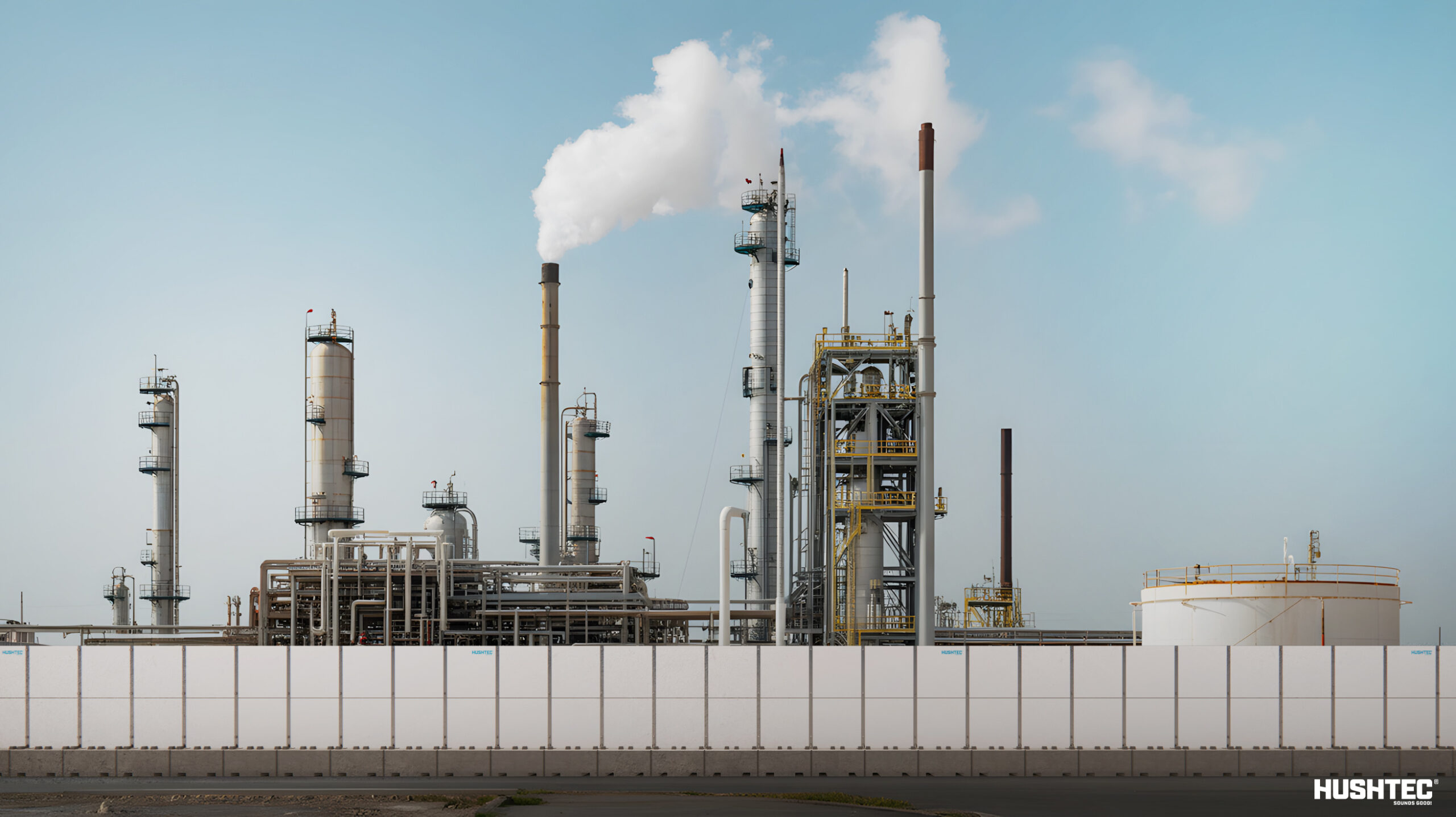
While acoustic performance is essential, portable acoustic systems also deliver broader operational value.
These benefits include:
Increased Productivity
Faster installation and reconfiguration allow work to continue without extended infrastructure delays.
Reduced Risk Exposure
Flexible containment reduces the likelihood of complaints and regulatory interruptions.
Reusability Across Projects
Portable systems — including engineered solutions such as the Hushtec Hushwall Portable System — can be relocated and reused across multiple project phases.
This improves long-term asset utilisation and cost efficiency.
Greater Planning Flexibility
Teams can respond quickly to changing operational requirements without committing to permanent infrastructure.
These outcomes support operational continuity and long-term project efficiency.
Final Thoughts: Flexible Infrastructure Requires Engineered Solutions
Noise compliance is no longer just a regulatory requirement — it is an operational challenge that requires adaptable infrastructure.
Portable acoustic wall systems provide a practical solution, allowing oil and gas operators to remain compliant without compromising productivity.
Engineered solutions such as the Hushtec Hushwall Portable System demonstrate how portable containment can be deployed reliably across dynamic worksites — supporting compliance, protecting productivity, and enabling operational flexibility.
As operational demands continue to increase, systems like Hushwall are becoming a critical component of modern oil and gas project planning.