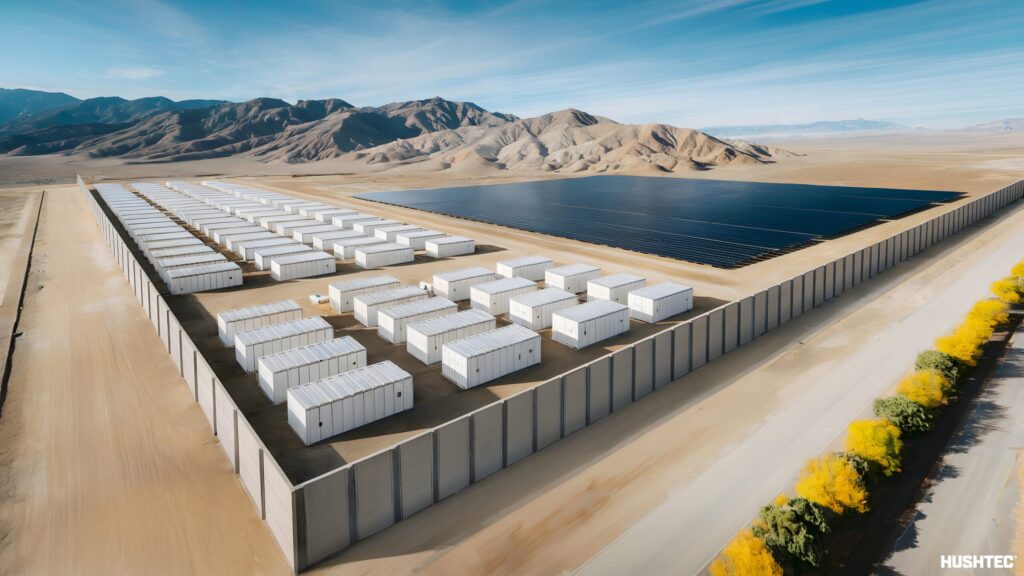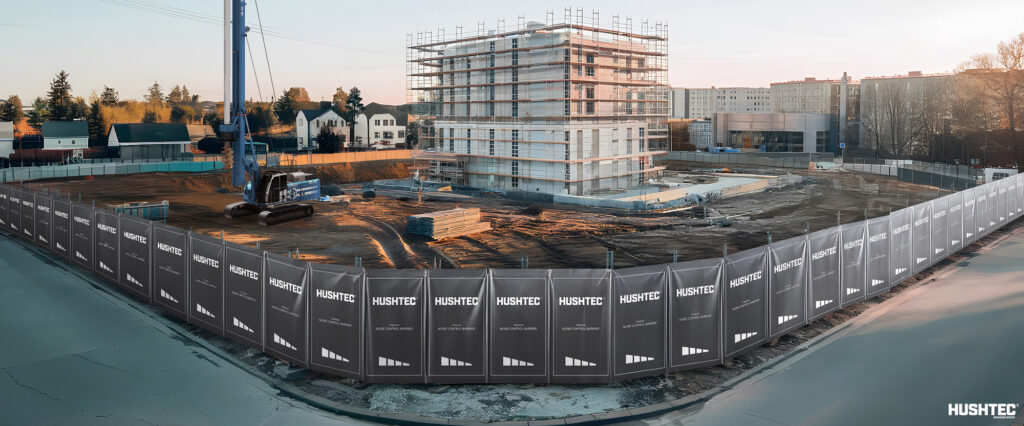



As digital infrastructure and cryptocurrency mining operations continue growing across Australia and New Zealand, crypto mining noise control is becoming an increasingly important consideration for operators facing industrial noise challenges.
Many mining facilities operate continuously within warehouses, containerised units, and remote energy-powered sites. While these operations deliver significant computing capacity, they can also generate substantial noise from cooling systems, ventilation equipment, and supporting infrastructure.
For operators across Australia and New Zealand, managing noise effectively is becoming an increasingly important part of maintaining compliance and community support.
What Is a Crypto Mining Facility?
A crypto mining facility is a site dedicated to validating blockchain transactions using specialised computing equipment known as ASIC (Application-Specific Integrated Circuit) miners.
These facilities can range from:
- warehouse-based operations
- containerised mining units
- industrial-scale mining farms
- remote energy-powered computing sites
Because mining equipment operates continuously, facilities require substantial cooling and ventilation systems to manage heat and maintain performance.
These support systems are often the primary source of operational noise, increasing the need for effective crypto mining noise control.
Why Crypto Mining Facilities Generate So Much Noise
Unlike traditional commercial data centres, crypto mining facilities are designed to maximise computing output.
Understanding these noise sources is a critical first step in developing successful crypto mining noise control strategies.
Thousands of mining units may operate simultaneously, generating significant heat that must be managed continuously.
Understanding these operational demands is a critical part of developing successful crypto mining noise control strategies.
This creates multiple noise sources, including:
- ASIC mining equipment
- cooling fans
- ventilation systems
- transformers
- backup generators
- cooling infrastructure
- electrical equipment
When operating together, these systems create a continuous industrial noise profile that can affect surrounding areas.
Cooling Infrastructure Is Often the Largest Contributor
In many facilities, cooling equipment produces more noise than the mining hardware itself.
To maintain stable operating temperatures, operators commonly use:
- extraction fans
- forced-air ventilation
- evaporative cooling systems
- mechanical cooling equipment
These systems often operate continuously, generating persistent fan noise and low-frequency sound.
For facilities located near industrial estates, regional communities, or mixed-use areas, this can create operational and environmental challenges that require proactive crypto mining noise control.
Industrial Noise Considerations Across Australia & New Zealand
As crypto mining operations expand, operators may be required to consider:
- EPA environmental noise requirements
- local council regulations
- industrial operating approvals
- environmental impact assessments
- occupational noise exposure requirements
Facilities operating near regional communities may face additional expectations regarding environmental performance, noise management, and crypto mining noise control.
The Impact of Continuous Industrial Noise
Unlike many industrial activities that operate only during business hours, crypto mining facilities typically operate 24 hours a day.
This can result in:
- continuous background noise
- low-frequency humming
- cooling fan noise
- generator noise during maintenance activities
As facilities grow, operators may encounter:
- community concerns
- operational restrictions
- approval challenges
- increased regulatory scrutiny
Effective crypto mining noise control can help minimise these risks..
Hushtec Noise Control Solutions for Crypto Mining Facilities
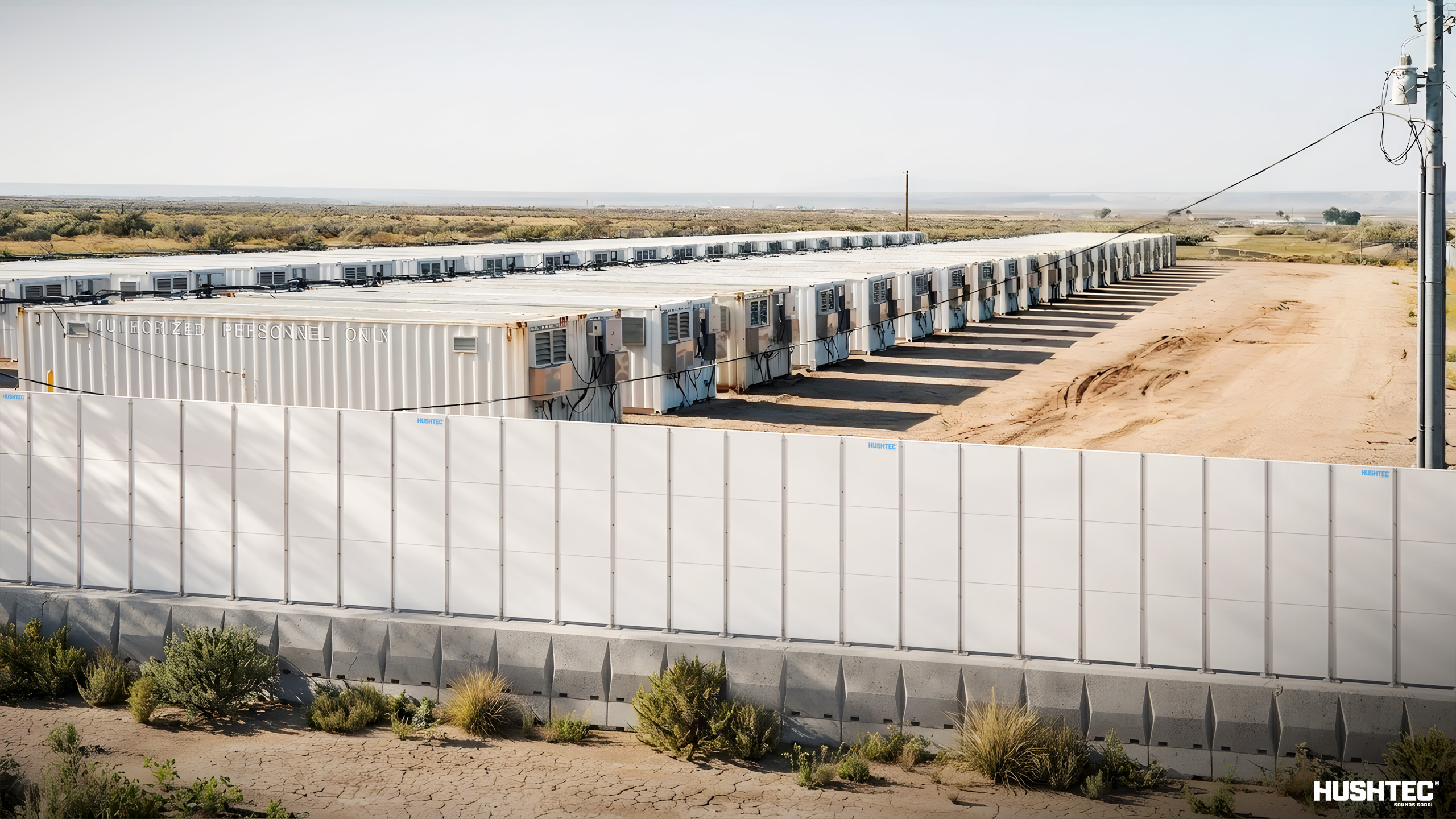
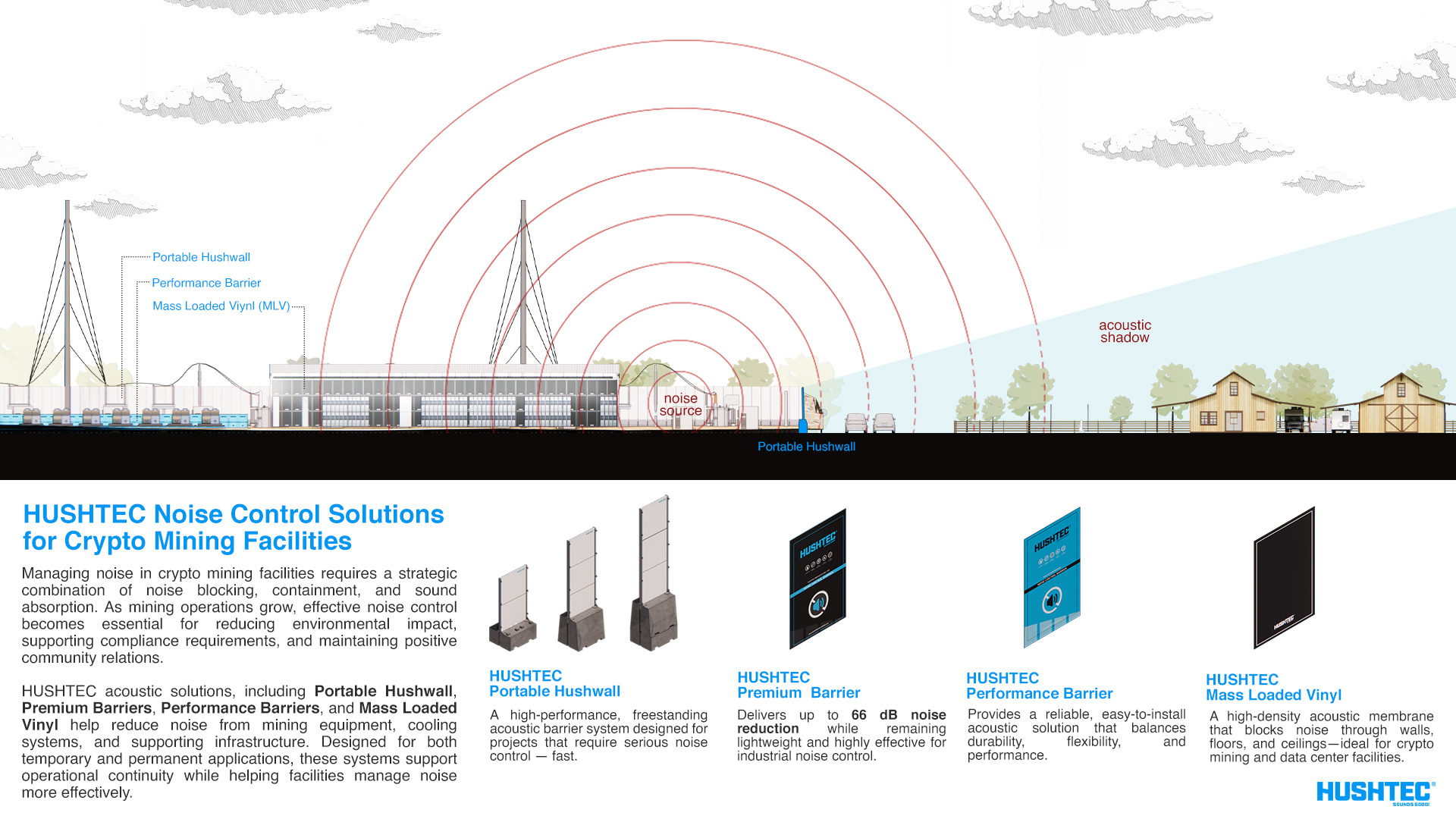
Managing crypto mining noise control within crypto mining facilities often requires a layered acoustic strategy that combines noise blocking, containment, and absorption.
Depending on the facility layout and operational requirements, Hushtec solutions may include:
Acoustic Barriers
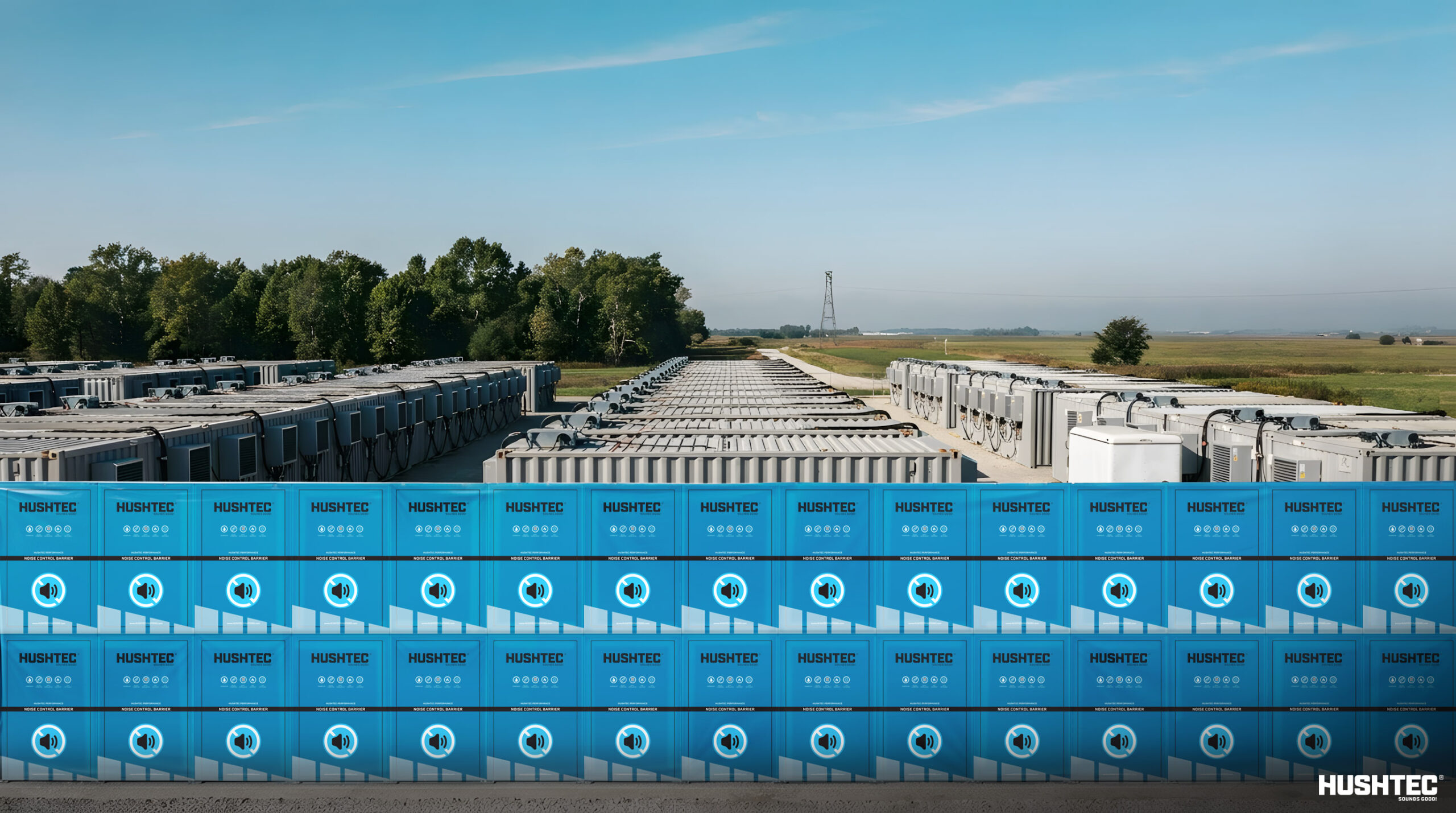
Hushtec Acoustic Barriers are designed to help reduce noise transmission from cooling systems, maintenance activities, generators, temporary infrastructure works, and other high-noise operational areas.
Modular barrier systems can be deployed quickly while supporting operational continuity and environmental noise management objectives.
Acoustic Enclosures
Hushtec Acoustic Enclosures provide targeted containment around high-noise equipment and supporting infrastructure.
Applications may include:
- generators
- cooling systems
- ventilation equipment
- electrical infrastructure
- temporary operational plant
These systems help reduce localised noise exposure while maintaining operational functionality.
Industrial Absorption Systems
Industrial Absorption Systems help reduce reflected noise and reverberation within operational environments.
By controlling sound reflections within enclosed or semi-enclosed spaces, absorption systems can contribute to improved acoustic performance and reduced overall noise levels.
Hushtec Noise Control Solutions for Digital Infrastructure
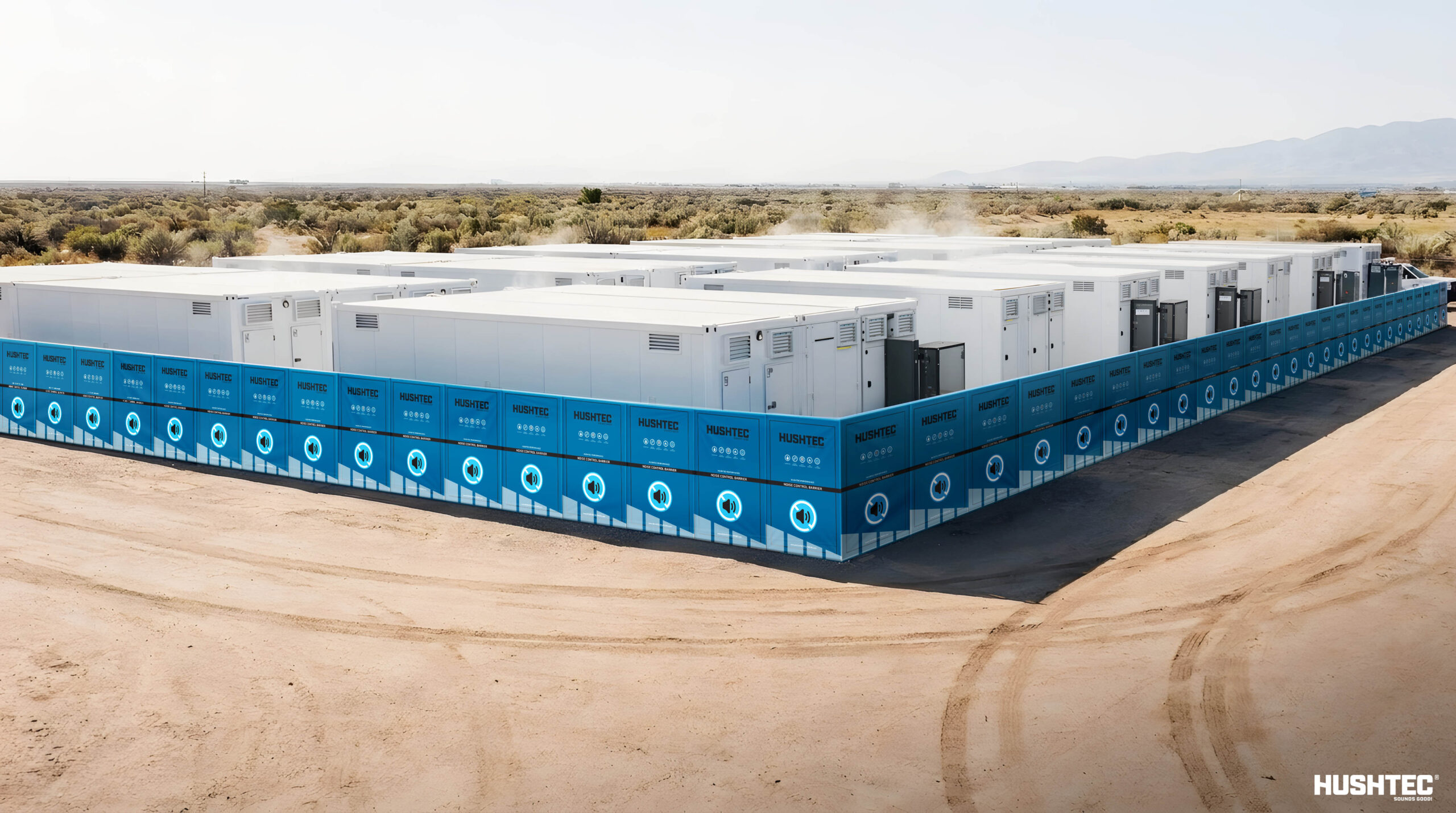
Hushtec provides engineered noise control solutions for high-density computing and digital infrastructure environments, including:
- Acoustic Barriers
- Acoustic Enclosures
- Industrial Absorption Systems
These systems help operators reduce environmental noise impact, support compliance requirements, and maintain operational continuity across crypto mining and digital infrastructure facilities through effective crypto mining noise control.
Why Noise Management Matters
As digital infrastructure projects continue growing across Australia and New Zealand, operators are increasingly expected to demonstrate responsible environmental management.
Effective acoustic mitigation can support:
- compliance outcomes
- community relationships
- environmental performance
- operational continuity
- project approvals
For many operators, proactive noise management is becoming a key component of long-term operational planning.
Frequently Asked Questions
Why are crypto mining facilities so noisy?
Crypto mining facilities rely on thousands of ASIC miners operating continuously. These systems generate significant heat, requiring powerful cooling and ventilation systems that create substantial noise.
What creates the most noise in a crypto mining facility?
Cooling fans, ventilation systems, transformers, generators, and supporting electrical infrastructure are often the largest contributors.
Can acoustic barriers reduce crypto mining noise?
Yes. Acoustic barriers, curtains, enclosures, and absorption systems can help reduce noise transmission and minimise offsite impact.
Are crypto mining facilities subject to environmental noise requirements in Australia and New Zealand?
Depending on location and project scale, operators may need to demonstrate compliance with applicable environmental noise requirements and planning conditions.
Why is proactive noise management important?
Effective noise mitigation can help support compliance, reduce complaint risks, maintain community relationships, and improve long-term operational sustainability.